











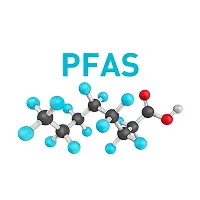



















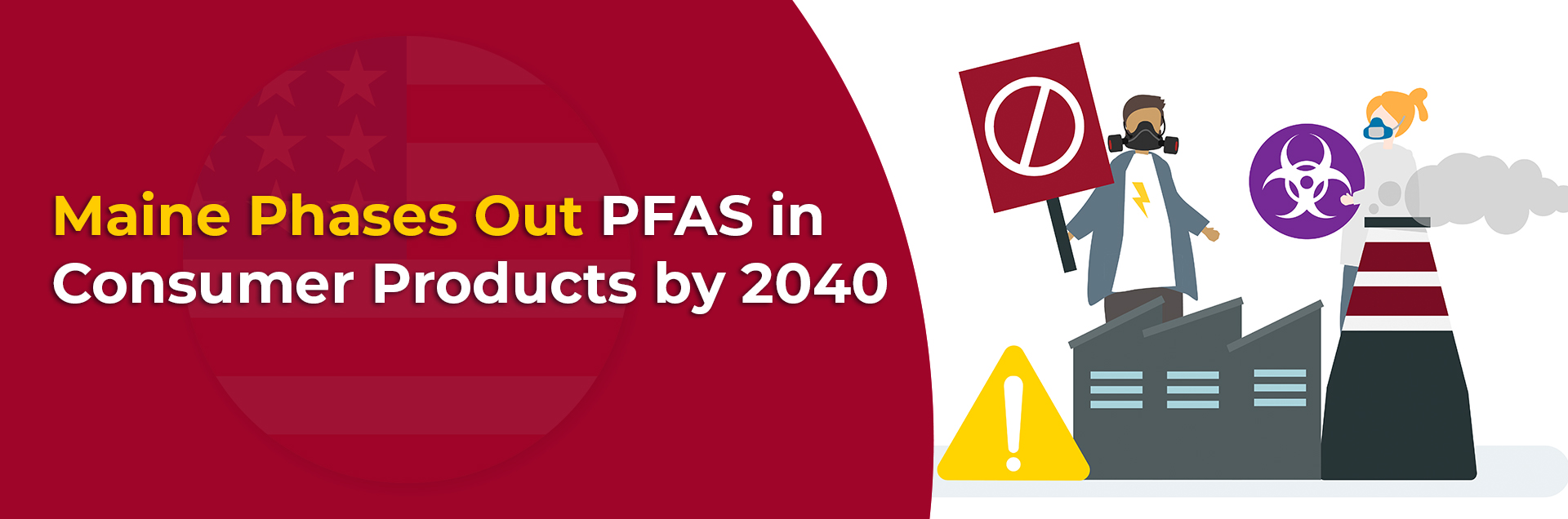
Portland, Maine — The Maine Department of Environmental Protection (DEP) has implemented the PFAS in Products Program, a regulatory initiative targeting the phaseout of products containing intentionally added per‑ and polyfluoroalkyl substances (PFAS). These synthetic chemicals are widely used in industrial and consumer products for their water‑, stain‑, and grease‑resistant properties, but are persistent in the environment and human body, earning the nickname “forever chemicals”.
The program was initially established under Public Law 2021, c. 477 (LD 1503) and later amended by Public Law 2023, c. 630 (LD 1537). These amendments refined sales prohibitions, clarified exemptions, and introduced a reporting framework for manufacturers and importers. The updated Chapter 90 rule came into effect October 7, 2025, detailing the phased prohibitions, exemptions, and notification procedures.
Phased Sales Prohibitions: Timeline and Scope
Maine’s phased approach ensures a gradual reduction of PFAS in consumer products while allowing industries time to transition to safer alternatives. The sales prohibitions apply to products sold or offered for sale in Maine.
Already Effective (Jan 1, 2023)
- Carpets and rugs containing intentionally added PFAS
- Fabric treatments, including products sold in PFAS-containing packaging
First Expansion (Jan 1, 2026)
Prohibited products include:
- Cleaning products
- Cookware
- Cosmetic products
- Dental floss
- Juvenile products
- Menstruation products
- Textile articles (with limited exceptions)
- Ski wax
- Upholstered furniture
- Products sold in PFAS-containing packaging, even if the product itself is PFAS-free
Future Prohibitions
- Jan 1, 2029: Artificial turf; outdoor apparel for severe wet conditions (unless labeled “Made with PFAS chemicals”)
- Jan 1, 2032: All remaining PFAS-containing products, unless approved under the Currently Unavoidable Use (CUU) designation
- Jan 1, 2040: Equipment such as HVAC, refrigeration, heating, and related refrigerants and foams
Definitions & Regulatory Interpretations
What is “Intentionally Added PFAS”?
PFAS are defined as any fluorinated organic chemical with at least one fully fluorinated carbon atom (i.e., no hydrogen atoms on that carbon). A product is regulated if PFAS were intentionally added for a specific function, quality, or appearance. By contrast:
- PFAS contamination from recycled materials
- PFAS used in manufacturing but not in the final product
are not regulated under Chapter 90.
Manufacturer & Importer Responsibility
Products imported into Maine are regulated as if the importer or first U.S. distributor is the manufacturer and must comply with sales prohibitions and reporting obligations.
Used or Refurbished Products
Products that have been installed or used by at least one owner are exempt from these prohibitions.
Exemptions from PFAS Sales Prohibitions
Certain products remain exempt even if they contain intentionally added PFAS:
- Federally regulated substances (FDA, USDA, EPA)
- Packaging, except fluorinated containers sold as products
- Firefighting or fire-suppressing foam
- Medical devices, FDA-regulated drugs, veterinary products
- Public health or water quality testing equipment
- Products mandated by DOT, FAA, NASA, DOD, DHS
- Motor vehicles, watercraft, and related equipment
- Semiconductor manufacturing equipment and materials
- Non-consumer lab or electronics equipment used in manufacturing exempted products
Currently Unavoidable Use (CUU) & Notification Requirements
Manufacturers may apply for a Currently Unavoidable Use (CUU) designation for products that would otherwise be prohibited if the PFAS use is essential for health, safety, or societal function.
- CUU Proposals: For products banned in 2026, proposals were due June 1, 2025. Later phased products can submit CUU applications 60 to 18 months prior to prohibition.
- Notification & Reporting: Only CUU-approved products must submit a PFAS Notification Form and pay applicable fees to continue sales in Maine. Broad reporting requirements for all PFAS products were removed under LD 1537.
Health & Environmental Impact
PFAS chemicals are persistent, bioaccumulative, and toxic. They have been linked to:
- Immune system suppression
- Cancer risk
- Hormonal disruption
- Liver and kidney toxicity
Maine’s phased regulatory approach positions the state as a national leader in reducing PFAS exposure from consumer products.
Compliance Guidance & Best Practices
Manufacturers, importers, and retailers selling in Maine should:
- Identify PFAS in product formulations and supply chains
- Evaluate PFAS-free alternatives to reduce future risk
- Track CUU designations and DEP guidance
- Ensure timely reporting and notification for approved products
- Monitor updates via Maine DEP and MELS Explorer approved lists
Source: PFAS-products
Reach out to our regulation experts on chemical and product regulatory compliances