






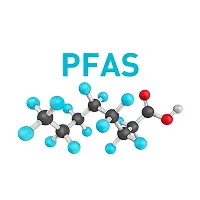

















Connecticut is implementing new requirements for products containing intentionally added PFAS, introducing mandatory labeling and manufacturer reporting obligations before broader product restrictions take effect in 2028.
What Happened
The Connecticut Department of Energy and Environmental Protection (DEEP) has begun implementing PFAS product regulations under Connecticut General Statutes Section 22a-903c. From July 1, 2026, manufacturers of specified consumer products must provide product notifications to DEEP and ensure products carry approved PFAS disclosure labels.
Key Dates & Timeline
PFAS disclosure requirements began for certain outdoor apparel and turnout gear
Manufacturer reporting and labeling requirements take effect for covered consumer products
Manufacturers must update submitted information whenever product data changes
Sale and distribution of covered products containing intentionally added PFAS will be prohibited in Connecticut
Covered Product Categories
Apparel · Carpets and rugs · Cleaning products · Cookware · Cosmetics · Dental floss · Fabric treatments · Juvenile products · Menstruation products · Textile furnishings · Ski wax · Upholstered furniture
Manufacturer Requirements
- Submit PFAS product notifications to DEEP
- Pay applicable registration fees
- Add approved PFAS disclosure labels
- Maintain compliance documentation
- Prepare for 2028 product reformulation
Who Is Affected
- Consumer product manufacturers
- Importers and distributors
- Retailers selling covered products in CT
- Compliance and regulatory affairs teams
- Supply chain and product stewardship professionals
What Companies Should Do
- Identify products containing intentionally added PFAS — immediately
- Review Connecticut reporting and labeling obligations before July 1, 2026
- Submit required notifications before applicable deadlines
- Evaluate reformulation strategies ahead of the 2028 prohibition
- Update compliance and product stewardship programs
Connecticut’s PFAS regulations establish immediate reporting and labeling obligations while signaling a broader transition away from PFAS-containing consumer products. Businesses should begin compliance planning now to meet current requirements and prepare for the statewide PFAS product ban in 2028.
Connecticut DEEP — PFAS in Products Program
Reach out to our regulation experts on chemical and product regulatory compliances