














Canada · Chemicals · Automotive
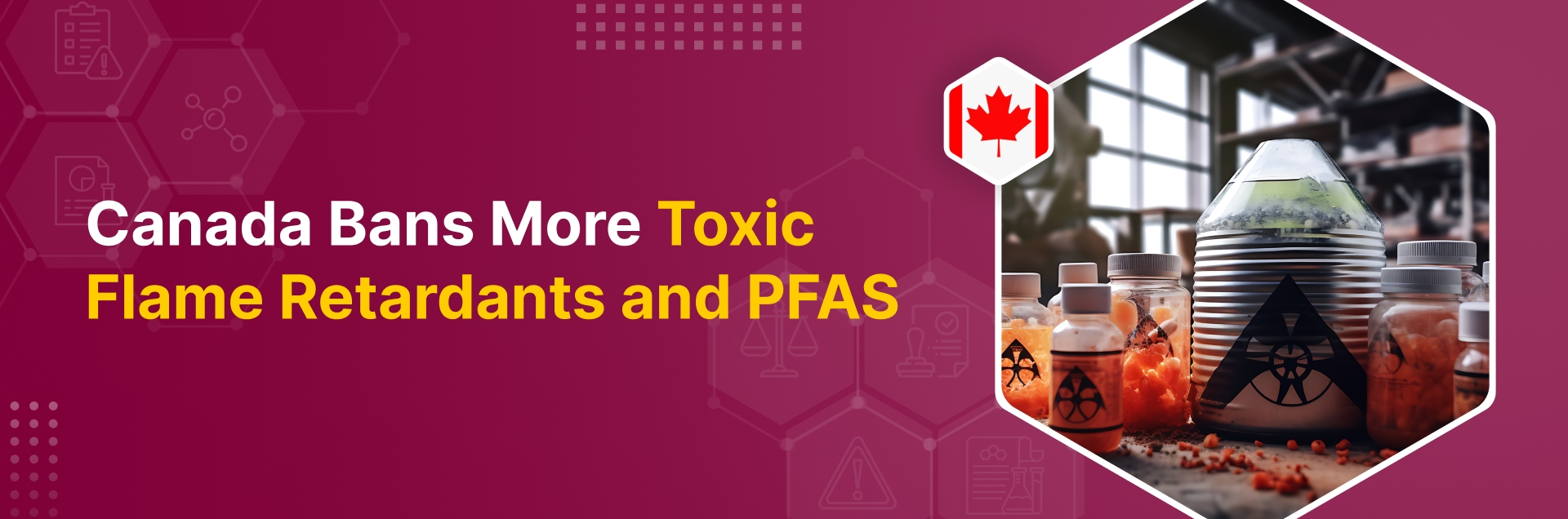
Canada’s Prohibition of Certain Toxic Substances Regulations, 2025 (SOR/2025-270) entered into force on June 30, 2026, replacing the 2012 regulations under the Canadian Environmental Protection Act (CEPA). The regulation strengthens restrictions on several PFAS and flame retardants, revokes most previous exemptions, introduces two newly prohibited substances, and establishes a short-term permit system for certain restricted uses.
Substances in Scope
The regulation establishes a general prohibition on the manufacture, use, sale, and import of covered substances, subject to a new permit system. It also provides phased transition allowances for specific automotive applications extending through 2030 and 2041.
Key Dates & Compliance Timeline
- Official publication: June 30, 2026
- Effective date: June 30, 2026
- Permit application window: July 1–30, 2026
- Transition allowances: Expire on December 31, 2026, 2030, or 2041 depending on the permitted use
Key Regulatory Changes
- Replaces the 2012 CEPA toxic substances regulations
- Revokes most legacy exemptions for PFOS, PFOA, LC-PFCAs, HBCD and PBDEs
- Adds Dechlorane Plus (DP) and DBDPE as prohibited substances
- Introduces a new short-term permit system for restricted uses
Who Is Affected
- Automotive OEMs and suppliers
- Electronics manufacturers
- Aerospace manufacturers
- Technical textile manufacturers
- Companies using PFAS or flame retardants in products sold in Canada
What Companies Should Do Now
- Review bills of materials (BOMs) for DP, DBDPE, PFOS, PFOA, LC-PFCAs, HBCD and PBDEs
- Determine whether short-term permits are required for restricted substance use
- Submit permit applications during the July 1–30, 2026 application window, where applicable
- Track transition deadlines applicable to affected products
- Update product stewardship and regulatory compliance documentation for the Canadian market
This high-priority amendment significantly strengthens Canada’s restrictions on PFAS and flame retardants under CEPA. Automotive OEMs, suppliers, electronics manufacturers, and technical textile producers should immediately assess product portfolios, review BOMs for affected substances, determine permit requirements, and prepare for phased transition deadlines as legacy exemptions are withdrawn.
Reach out to our regulation experts on chemical and product regulatory compliances