
























On January 12, 2026, the New Jersey Legislature passed and enacted the Protecting Against Forever Chemicals Act (PFAS Act / Bill S1221). The law introduces product bans, labeling obligations, and long-term regulatory oversight aimed at reducing PFAS exposure statewide.
What Are PFAS?
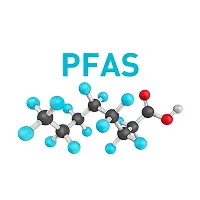
PFAS are a large group of synthetic chemicals characterized by strong carbon-fluorine bonds. They are widely used for water, grease, and stain resistance in consumer and industrial products. Due to their persistence in the environment and the human body, PFAS are often referred to as “forever chemicals” and have been linked to immune, developmental, hormonal, and cancer risks.
Implementation Timeline
- Law enacted: January 12, 2026
- Product bans & labeling enforcement: January 12, 2028
IProducts Impacted by the PFAS Ban
a. Cosmetics
The sale or distribution of cosmetic products containing intentionally added PFAS will be prohibited. Cosmetics include products used for cleansing or beautifying the body, excluding soap.
b. Carpets and Fabric Treatments
New carpets and fabric treatments containing intentionally added PFAS will no longer be permitted for sale.
Used or second-hand products are explicitly exempt.
c. Food Packaging
Food packaging made primarily from paper, paperboard, or plant-based fibers must not contain intentionally added PFAS. This includes containers, wrappers, trays, utensils, straws, and similar items.
Definitions Under the Law
- Intentionally Added PFAS: PFAS deliberately used during manufacturing to achieve a specific function.
- Technically Unavoidable Trace PFAS: Incidental PFAS from impurities or manufacturing processes, which are exempt.
Cookware Labeling Requirements
Rather than banning PFAS-containing cookware outright, New Jersey mandates strict disclosure rules:
- Cookware with PFAS in food-contact surfaces or handles must clearly state: “This product contains PFAS”
- Labels must appear in English and Spanish
- Online and in-store listings must display the disclosure
- Misleading “PFAS-free” claims are prohibited
Labeling exemptions apply where cookware is too small to accommodate a minimum two-square-inch label and lacks packaging or tags.
Regulatory Oversight & Enforcement
The New Jersey Department of Environmental Protection (DEP) must:
- Establish a PFAS source-reduction program by January 12, 2027
- Publish annual progress reports for 10 years starting in 2028
DEP is also authorized to audit manufacturers, investigate compliance, and recommend future PFAS restrictions for additional product categories.
Scope Exemptions
The law does not apply to:
- Electronic products or internal components where PFAS have no consumer function
- Medical devices, drugs, and FDA-regulated products covered under federal law
Broader U.S. Regulatory Context
New Jersey’s action aligns with a growing U.S. trend:
- California and New York restrict PFAS in food packaging and children’s products
- Minnesota, Colorado, Maine, and others are expanding PFAS bans across consumer goods
- Carpets, textiles, and treated materials are increasingly targeted nationwide
Industry & Compliance Impact
Manufacturers, importers, and retailers selling into New Jersey must:
- Eliminate intentional PFAS use through reformulation, or
- Update labels and product disclosures before 2028
Non-compliant products must be removed or reclassified from the New Jersey market.
Why does this matter?
PFAS contamination remains a major public health and environmental concern. New Jersey’s law is among the most comprehensive state-level PFAS restrictions in the U.S., signaling rising regulatory pressure and accelerating the shift toward safer alternatives.
Reach out to our regulation experts on chemical and product regulatory compliances