






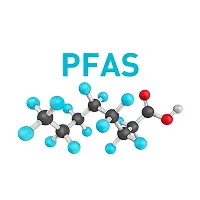

















Japan is taking further steps to strengthen its control of per- and polyfluoroalkyl substances (PFAS) by proposing to ban 117 perfluorohexanesulfonic acid (PFHxS)-related substances. On January 21, 2026, Japan’s Ministry of Health, Labour and Welfare (MHLW), Ministry of Economy, Trade and Industry (METI), and the Ministry of the Environment (MOE) jointly released a draft Ministerial Ordinance outlining detailed regulatory measures under the Chemical Substances Control Law (CSCL).
The draft ordinance is open for public consultation until February 19, 2026, with final adoption expected later in the year.
Regulatory Background and International Alignment
The proposal follows amendments to the CSCL Enforcement Order, which were officially announced on December 17, 2025, designating PFHxS and its related substances as Class I Specified Chemical Substances. This classification applies to chemicals that are persistent, bioaccumulative, and pose long-term risks to human health or the environment.
Japan’s action aligns with decisions adopted at the 10th Conference of the Parties to the Stockholm Convention on Persistent Organic Pollutants in June 2023, where PFHxS-related substances were listed for global elimination.
Scope of PFHxS-Related Substances
The draft ordinance provides a detailed definition of PFHxS-related substances, covering chemicals that contain:
- A (perfluoroalkyl)sulfonyl group with a carbon chain length of six or fewer carbon atoms, or
- A [(perfluoroalkyl)sulfinyl] oxy group with a carbon chain length of six or fewer carbon atoms
These substances may degrade or transform into perfluoro(hexane-1-sulfonic acid) or other C6 perfluoroalkanesulfonic acids in the environment.
An annex to the ordinance lists 117 individual PFHxS-related substances, including substances with specific CAS numbers, that will fall under the proposed ban.
Compliance Obligations Under CSCL
Once the ordinance enters into force, PFHxS-related substances regulated as Class I Specified Chemical Substances will be subject to strict controls, including:
- A general prohibition on manufacture, import, and use in Japan
- Potential restrictions on the import of products containing PFHxS-related substances
- Enhanced oversight of supply chains involving PFAS-containing materials
Only limited exemptions may apply, subject to government approval and strict conditions.
Expected Timeline for Implementation
According to the draft regulatory roadmap:
- Final ordinance announcement: Expected around April 2026
- Effective date: June 17, 2026
Businesses will be required to comply with the new controls from the effective date onward.
Implications for Industry
Chemical manufacturers, importers, and downstream users operating in or supplying to the Japanese market should begin preparing for compliance by:
- Identifying PFHxS-related substances within formulations and finished products
- Assessing alternative substances or reformulation options
- Monitoring final regulatory texts following the public consultation period
Early action will help reduce compliance risks and ensure business continuity once the ban takes effect.
Source: Japan to Ban PFHxS Substances
Reach out to our regulation experts on chemical and product regulatory compliances