

















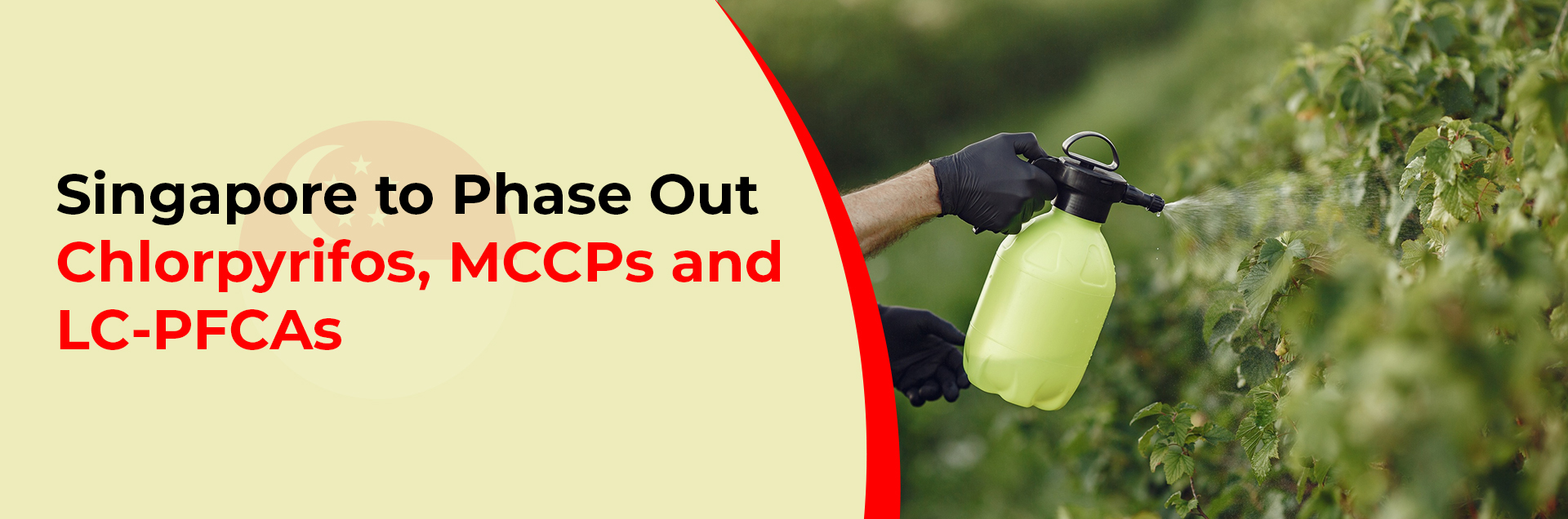
The National Environment Agency (NEA) of Singapore has announced updated control measures to phase out chlorpyrifos, medium-chain chlorinated paraffins (MCCPs) with chlorination levels of 45% or more by weight, and long-chain perfluorocarboxylic acids (LC-PFCAs). The update was published on 26 January 2026 and reflects Singapore’s obligations under the Stockholm Convention on Persistent Organic Pollutants (POPs).
These substances are recognized internationally for their persistence, bioaccumulation potential, and adverse impacts on human health and the environment. The measures will be implemented under Singapore’s Environmental Protection and Management Act (EPMA) and Hazardous Substances Regulations.
Chemicals Subject to Phase-Out
The updated controls apply to the following POPs and related substances:
- Chlorpyrifos
A widely used organophosphate insecticide associated with neurotoxic effects and environmental persistence. - Medium-Chain Chlorinated Paraffins (MCCPs)
Chlorinated alkanes with carbon chain lengths C14–C17, where the chlorine content is 45% or greater by weight. - Long-Chain Perfluorocarboxylic Acids (LC-PFCAs)
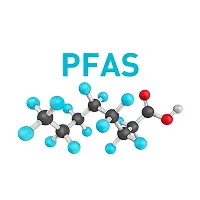
Perfluorocarboxylic acids with carbon chain lengths C9–C21, including their salts and related compounds.
These substances have been listed for elimination under Annex A of the Stockholm Convention.
Regulatory Timeline and Prohibitions
According to the NEA circular:
- The manufacture, import, export and use of chlorpyrifos, MCCPs (≥45% chlorine by weight) and LC-PFCAs — including products containing these substances — will be prohibited from 16 December 2026.
- After this date, all related activities will be fully banned in Singapore, unless otherwise specified under limited exemptions permitted by the Convention.
- Companies are encouraged to transition to safer alternatives and ensure proper management or disposal of existing stocks before the deadline.
Compliance Requirements for Industry
Businesses involved in chemicals, articles, or products containing these POPs should:
- Review formulations and supply chains to identify affected substances
- Ensure compliance with Hazardous Substances licensing and notification requirements
- Update import and export declarations using applicable HS codes
- Arrange for disposal of remaining stocks through licensed hazardous waste handlers
Early compliance planning is recommended to avoid supply chain disruption and regulatory non-compliance.
Alignment with International Obligations
This phase-out reinforces Singapore’s commitment to the Stockholm Convention, which aims to eliminate or restrict POPs globally. The update reflects Singapore’s broader strategy to strengthen chemical safety governance and protect public health and the environment.
Source: Singapore POPs Phase-Out Update
Reach out to our regulation experts on chemical and product regulatory compliances