










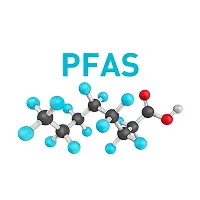






















The UK has introduced its first national PFAS strategy, targeting per‑ and polyfluoroalkyl substances — often called “forever chemicals” due to their persistence in the environment. The strategy aims to protect public health, reduce environmental risks, and encourage sustainable innovation.
Pillars of the UK PFAS Plan
The strategy, titled “PFAS Plan: Building a Safer Future Together”, follows a three‑pillar approach:
Understanding PFAS Sources
The government will expand monitoring and research to track PFAS exposure:
- Environmental sampling: ~2,400 freshwater samples annually in England, plus expanded coverage in Scotland and Wales.
- GIS data tools: Interactive priority maps by end‑2026, public tools by Q3 2027.
- Soil & coastal studies: Multi‑year assessments of contamination.
- Ecotoxicity research: Closing knowledge gaps on PFAS impacts on wildlife and ecosystems.
Tackling PFAS Pathways
A coordinated regulatory approach focuses on chemical management, waste, and transparency:
| Action Area | Focus | Timeline |
|---|---|---|
| Chemical Regulation | UK REACH restrictions on PFAS firefighting foams; REACH reform | Restriction 2027; Reform by Dec 2028 |
| POPs Controls | Apply Stockholm Convention measures, target long‑chain PFAS | End of 2026 |
| Waste & Disposal | Strengthen PFAS waste management, publish technical guidance | 2026–2027 |
| Government Procurement | Include PFAS considerations in public procurement | Start 2026 |
| Industry Transparency | Mandatory PFAS use and emissions disclosure | 2026 |
| International Cooperation | Promote PFAS focus in global frameworks (OECD, UN) | Through 2026 |
Reducing Ongoing Exposure
Protecting health and the environment remains central:
- Health risk review: Rapid evidence assessment by UK Health Security Agency.
- Food safety: Enhanced PFAS testing in packaging and high‑risk materials.
- Drinking water: Consultation on statutory PFAS limits.
- Water quality standards: Set no‑effect concentration values (PNECs).
- Wastewater & land guidance: Expand chemical investigation programs.
- Product Risk Review: Early evaluation of PFAS restrictions in consumer products under UK REACH.
Government’s Approach
Defra emphasizes that this PFAS Plan is the first step in a longer‑term strategy. It is adaptive and will evolve with input from industry, scientists, environmental groups, and the public.
The strategy balances the benefits of PFAS in manufacturing and climate technologies with known health and environmental risks, aiming for responsible regulation instead of broad bans.
Why does this matter?
PFAS are widely used in textiles, firefighting foams, electronics, and packaging. Their persistence and potential health risks have raised global concern. The UK’s approach aligns with international trends toward stricter monitoring, disclosure, and regulation, helping businesses prepare for future compliance requirements.
Next Steps for Stakeholders
- Review PFAS usage and supply chain exposure.
- Monitor upcoming UK REACH restrictions and POPs implementation.
- Prepare for expanded reporting and disclosure obligations.
- Follow government consultations on PFAS in water, products, and procurement.
Source: UK Launches National PFAS Plan
Reach out to our regulation experts on chemical and product regulatory compliances