





















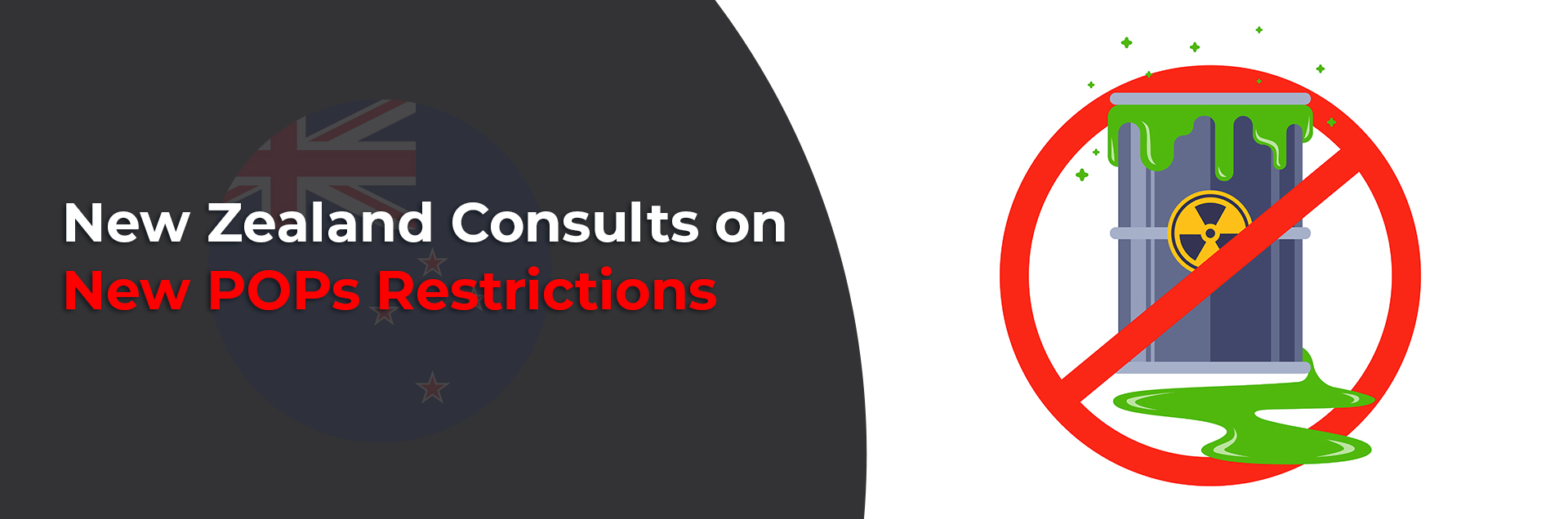
New Zealand has launched a public consultation on proposed restrictions for three newly listed persistent organic pollutants (POPs) under the Stockholm Convention on Persistent Organic Pollutants. The initiative aims to align national regulations with international obligations and strengthen controls on highly hazardous substances.
Key Regulatory Developments
The consultation seeks stakeholder feedback on implementing domestic controls for three chemicals recently added to the Stockholm Convention. These substances are recognized for their persistence, bioaccumulation, and toxicity, posing risks to both human health and the environment.
The proposal includes:
- Introducing prohibitions or strict restrictions on manufacture, import, and use
- Establishing compliance frameworks aligned with international requirements
- Defining limited exemptions, where applicable
This step reflects New Zealand’s commitment to timely adoption of global chemical safety measures.
Regulatory Framework
The proposed restrictions are part of New Zealand’s obligations under the Stockholm Convention on Persistent Organic Pollutants, which requires Parties to eliminate or restrict POPs listed in its annexes.
At the national level, implementation is typically carried out under hazardous substances legislation, ensuring:
- Legal enforceability of bans and restrictions
- Monitoring and enforcement mechanisms
- Alignment with international chemical management standards
Substances in Focus
The consultation addresses three newly listed POPs, which may include substances such as:
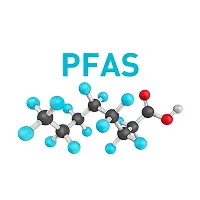
- PFAS-related compounds (e.g., PFHxS and related substances)
- Industrial chemicals with long-term environmental persistence
These substances are subject to global phase-out or restriction requirements due to their hazardous properties.
Scope & Threshold Insights
- Applies to manufacture, import, export, and use
- Typically no tonnage thresholds — strict hazard-based controls
- May include specific exemptions for essential uses
- Covers both pure substances and mixtures/articles
This reflects a strict prohibition-based regulatory approach.
Who is Affected ?
- Chemical manufacturers and importers in New Zealand
- Exporters supplying regulated substances or products
- Industrial users of POPs-related chemicals
- Waste management and environmental compliance entities
Compliance & Market Implications
The proposed restrictions will require companies to:
- Identify affected substances within their portfolios
- Phase out or substitute restricted chemicals
- Update compliance documentation and safety data
- Ensure supply chain alignment with new requirements
- Failure to comply may result in market restrictions and enforcement actions.
Timeline & Next Steps
- 2026: Public consultation launched
- Next Step: Review of stakeholder feedback
- Post-Consultation: Final regulatory decision and implementation
- Future: Enforcement aligned with Stockholm Convention obligations
New Zealand’s consultation on new POPs restrictions demonstrates its proactive approach to implementing international chemical safety commitments. With strict hazard-based controls and limited exemptions, the proposed measures will further strengthen environmental protection while increasing compliance obligations for industry stakeholders.
Source: NZ POPs Consultation
Reach out to our regulation experts on chemical and product regulatory compliances