






























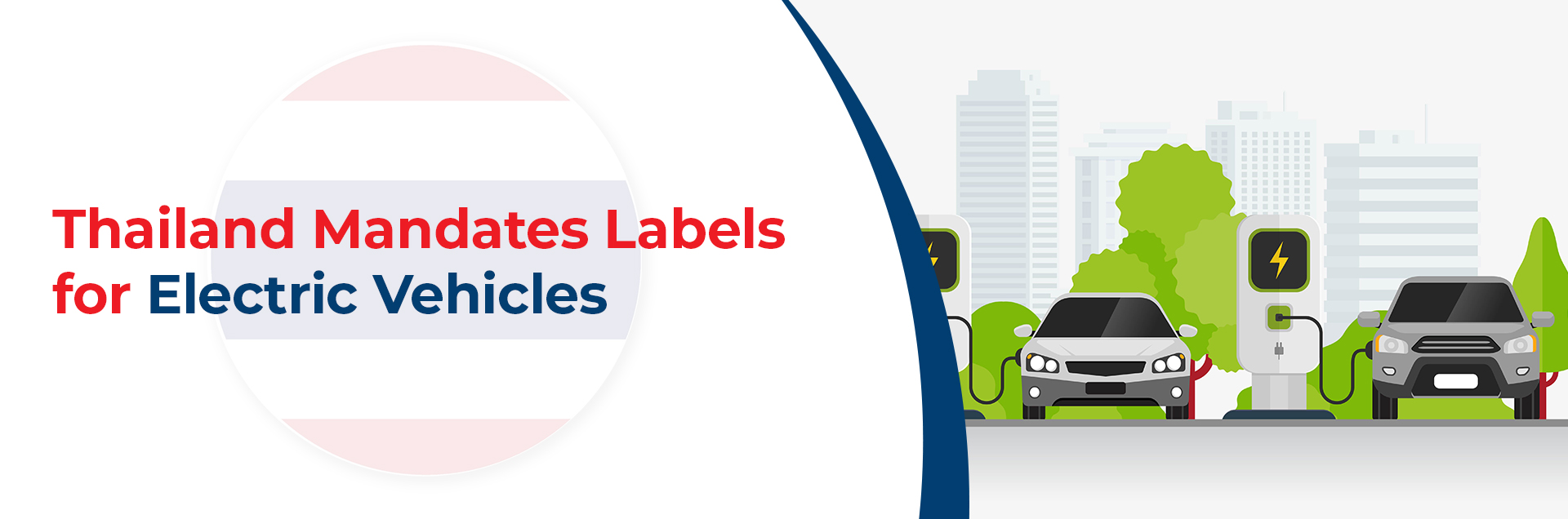
Thailand has introduced new regulatory requirements mandating electric vehicles (EVs) to be classified as label-controlled products, strengthening consumer protection and transparency in the rapidly growing EV market.
Recent Update: The measure came into force on 21 March 2026, requiring all EVs sold in Thailand to carry standardized labeling with detailed product information.
Key Regulatory Developments
The Thai government has formally designated EVs as label-controlled products, meaning manufacturers and distributors must provide clear, standardized, and accessible information to consumers.
This move responds to the rapid growth of EV adoption and aims to ensure that buyers can make informed purchasing decisions based on transparent and comparable data.
Scope of the Regulation
The labeling requirement applies to all electric vehicles placed on the Thai market, including:
- Hybrid Electric Vehicles (HEV)
- Plug-in Hybrid Electric Vehicles (PHEV)
- Battery Electric Vehicles (BEV)
- Fuel Cell Electric Vehicles (FCEV)
- Both domestically produced and imported vehicles are covered under the regulation.
Mandatory Labeling Requirements
- General Product Information
- Brand and model
- Price
- Manufacturing date
- Instructions for use
- Safety precautions and warnings
- EV-Specific Information
Manufacturers and importers must display labels (in Thai language or with Thai included) containing:
Additional mandatory disclosures include:
- EV type (HEV, PHEV, BEV, FCEV)
- Motor power (including continuous power)
- Battery type and capacity
- Driving range per full charge
- Electricity consumption rate
- Battery warranty details (or absence of warranty)
- Electrical system safety standards
Import-Specific Requirements
For imported EVs, labels must also include:
- Country of manufacture
- Importer identification details
Thresholds & Compliance Approach
- No numerical thresholds — applies to all EVs
- Presence-based requirement (all products must comply)
- Focus on consumer transparency and safety, rather than emissions or volume
This reflects a product information-based regulatory approach.
Who is Affected
- Automotive manufacturers (OEMs)
- EV importers and distributors
- Dealers and retailers
- Consumers (indirect benefit through transparency)
- Foreign manufacturers exporting EVs to Thailand must ensure compliance before market entry.
Compliance & Market Implications
The regulation introduces new obligations for industry players:
- Update product labeling and documentation systems
- Ensure accurate technical data disclosure
- Align marketing and product information with regulatory requirements
- Strengthen traceability for imported vehicles
This may increase compliance costs but improves consumer confidence and market standardization.
Timeline & Implementation
- 21 March 2026: Regulation entered into force
- Immediate applicability: All EVs sold must comply with labeling requirements
- Ongoing: Enforcement and monitoring by Thai authorities
Thailand’s decision to classify electric vehicles as label-controlled products marks a significant step toward enhancing consumer protection in the EV sector. By mandating detailed and standardized labeling, the regulation promotes transparency, safety, and informed decision-making, while setting clearer compliance expectations for manufacturers and importers operating in the Thai market.
Source:Thailand EV Label Rule
Reach out to our regulation experts on chemical and product regulatory compliances