









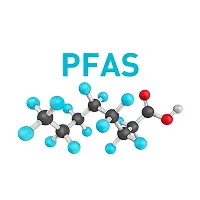



















France has taken a significant regulatory step to reduce exposure to per- and polyfluoroalkyl substances (PFAS) with the publication of Decree No. 2025-1376 in the. The decree establishes legally binding rules to ban PFAS in specific consumer products, define residual concentration limits, and set out clear exemptions where alternatives are not yet feasible.
The measure implements Articles L.524-1 and L.524-2 of the French Environmental Code and follows Law No. 2025-188 of 27 February 2025, which aims to protect public health and the environment from PFAS-related risks.
Dates and Applicability
- Entry into force: 1 January 2026, when the main provisions become legally effective.
- Stock sell-through period: Products manufactured before 1 January 2026 may continue to be placed on the market or exported for up to 12 months. After this period, such activities are prohibited.
- Scope: The decree applies to manufacturers, importers, exporters, distributors, and enforcement authorities handling regulated product categories.
Products Covered by the Decree
The regulation specifically targets PFAS use in the following product categories:
- Cosmetics
- Ski wax
- Textile products and clothing
- Footwear
- Waterproofing agents for textiles and footwear
Manufacture, import, export, and market placement of these products are prohibited once PFAS concentrations exceed the defined thresholds.
Legal Definition of PFAS
For regulatory purposes, PFAS are defined as:
Any substance containing at least one fully fluorinated methyl group (–CF₃) or methylene group (–CF₂–), without hydrogen, chlorine, bromine or iodine attached.
This broad definition captures most long-chain PFAS as well as many others per- and polyfluoroalkyl substances.
Residual PFAS Thresholds (Compliance Limits)
The decree establishes clear numerical limits to determine compliance:
- Individual PFAS (excluding polymers): 25 ppb
- Sum of PFAS (excluding polymers): 250 ppb
- Total fluorine including polymers: 50 ppm
Where total fluorine exceeds 50 mg F/kg, economic operators must demonstrate whether the fluorine originates from PFAS or non-PFAS sources.
Exemptions and Allowed Uses
Standard Exemptions (Article D.525-2)
PFAS use may still be permitted for:
- Protective equipment covered by EU Regulation 2016/425, including military and firefighting gear
- Waterproofing products used to re-treat protective equipment
- Clothing and footwear containing at least 20% recycled post-consumer material, limited to the recycled fraction
Essential Uses Without Substitutes (Article D.525-3)
Exemptions apply where no viable alternatives exist, including:
- Industrial technical textiles
- Military, security and civil safety protective gear
- Equipment for nuclear, biological or chemical risk scenarios
- Medical and sanitary textiles used in healthcare
These exemptions acknowledge critical safety and performance needs where PFAS remain technically necessary.
Practical Implications
For Industry
- Products must be tested for PFAS compliance or qualify under an exemption.
- Non-compliant products cannot be manufactured, imported, sold or exported after the transition period.
- Operators bear the burden of proof where fluorine levels exceed regulatory limits.
For Enforcement
- Environmental and customs authorities are empowered to conduct market surveillance, testing and enforcement actions, including sanctions for non-compliance.
Regulatory Context
This decree operationalizes France’s 2025 PFAS legislation, positioning the country among the strictest global regulators of PFAS. It complements broader national actions, including initiatives to reduce industrial PFAS emissions and address environmental contamination.
The move reflects growing scientific evidence and public concern over the persistence, toxicity and long-term environmental impacts of PFAS, reinforcing France’s commitment to preventive chemical regulation.
Source: Decree No. 2025-1376 on preventing risks from PFAS exposure
Reach out to our regulation experts on chemical and product regulatory compliances