

































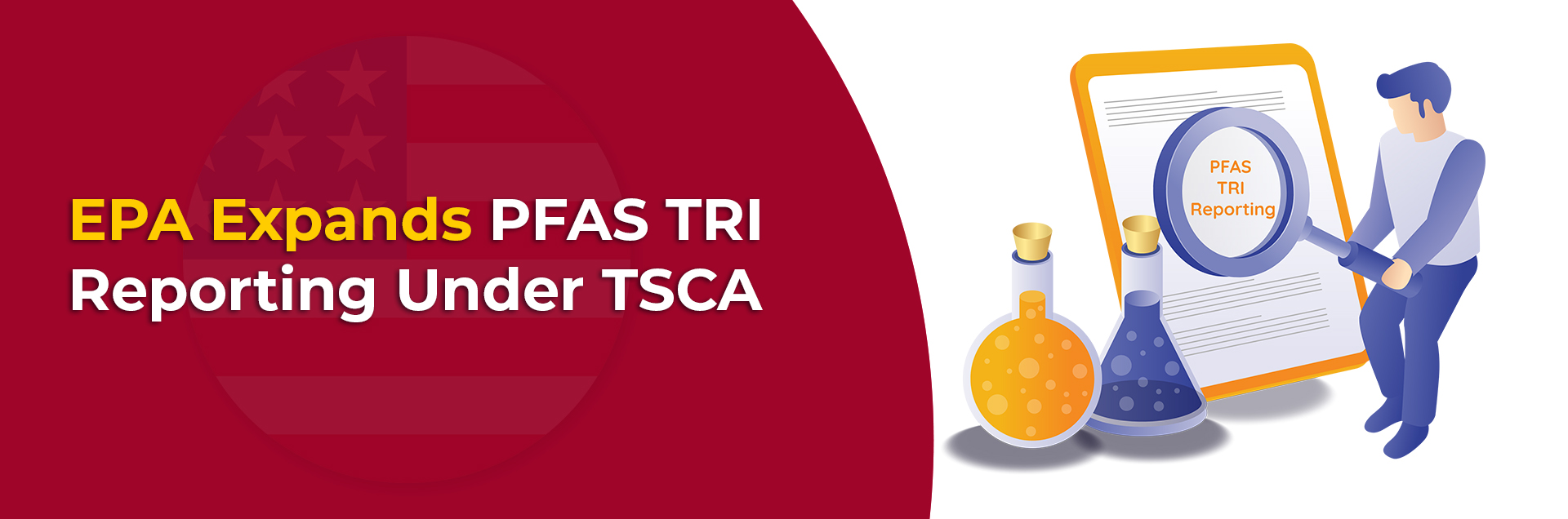
The U.S. Environmental Protection Agency has finalized a rule expanding PFAS reporting under the Toxics Release Inventory (TRI). The rule introduces new compliance obligations for facilities handling PFAS, significantly increasing regulatory oversight and transparency.
Key Implementation Update
The rule, published in the Federal Register on 27 February 2026, adds additional PFAS substances to TRI under the Toxic Substances Control Act (TSCA).
Critical Implementation Milestone:
- The rule became legally effective on 30 March 2026
- From this point, facilities are required to begin tracking PFAS activities for reporting purposes
- This marks the start of enforceable compliance obligations.
Reporting Requirements (Post-Implementation)
Following implementation, facilities must:
- Monitor manufacture, processing, or use of listed PFAS
- Track environmental releases and waste management practices
- Prepare for annual TRI reporting submissions
The rule strengthens transparency requirements across industrial operations involving PFAS.
Thresholds (Compliance Trigger)
- Reporting threshold: 100 pounds per year
- Applies to manufacture, processing, or otherwise use
- No de minimis exemption
These strict thresholds mean that even low-level PFAS use can trigger reporting obligations.
Who is Affected ?
- Chemical manufacturers and processors
- Industrial users of PFAS (electronics, textiles, coatings, etc.)
- Waste management facilities
- Importers handling PFAS substances
- All affected entities must align their compliance systems accordingly.
Compliance Implications
With the rule now in force, companies must:
- Begin PFAS tracking and data collection immediately
- Update compliance and reporting systems
- Review supply chains for PFAS presence
- Prepare for upcoming TRI reporting cycles
- Failure to comply with may result in enforcement actions.
Timeline
- 27 February 2026: Rule published
- 30 March 2026: Rule entered into force
- Next Reporting Cycle: Applies to subsequent TRI reporting year
The implementation of this rule marks a significant expansion of PFAS reporting under TRI. With low thresholds and no exemptions, companies must proactively ensure compliance to meet evolving regulatory expectations under TSCA.
Source: US PFAS TRI Rule Active
Reach out to our regulation experts on chemical and product regulatory compliances