






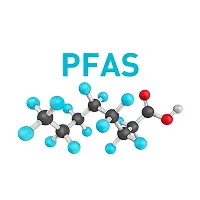


















The U.S. state of New Jersey has advanced regulatory action to expand restrictions on per- and polyfluoroalkyl substances (PFAS) in consumer products. The update strengthens existing controls by targeting products containing intentionally added PFAS, reflecting the state’s continued efforts to reduce environmental and human exposure to “forever chemicals.”
Key Regulatory Developments
The legislation expands existing PFAS controls by prohibiting the sale of certain consumer products that contain intentionally added PFAS. The scope of regulated products continues to grow as the state adopts a phased approach to eliminating PFAS from the market.
The update aligns New Jersey with a broader trend across U.S. states to regulate PFAS through product bans and restrictions, complementing federal actions under TSCA.
Scope of Restrictions
The law targets consumer products with intentionally added PFAS, including but not limited to:
- Food packaging materials
- Carpets and rugs
- Upholstered furniture
- Textile products
The restrictions focus on preventing PFAS from entering the environment through everyday consumer goods.
Thresholds (Key Clarification)
- Applies to intentionally added PFAS
- No explicit concentration threshold — presence-based trigger
- Broad applicability across product categories
- This reflects a hazard-based regulatory approach, like other leading PFAS regulations in the U.S.
Prohibitions & Compliance Requirements
- Prohibition on sale and distribution of covered products containing PFAS
- Manufacturers must ensure products placed on the market are PFAS-free (where required)
- Compliance may involve testing, certification, and supply chain verification
Who is Affected ?
- Manufacturers of consumer products
- Importers and distributors supplying to New Jersey
- Retailers selling covered products
- Supply chain stakeholders handling PFAS-containing materials
- Companies outside New Jersey must comply if they sell products into the state.
Compliance & Market Implications
The expanded restrictions will require companies to:
- Identify PFAS in materials and components
- Reformulate products to eliminate PFAS
- Adjust sourcing and supplier requirements
- Ensure compliance documentation and traceability
- Additional categories may be added in future updates
- Companies must monitor regulatory developments to ensure ongoing compliance
This may increase compliance costs but also drive innovation toward safer alternatives.
Timeline & Implementation
The law introduces phased restrictions, with different product categories subject to bans at different times
New Jersey’s expansion of PFAS restrictions reinforces the growing regulatory momentum in the United States toward eliminating PFAS from consumer products. With broad scope and no concentration thresholds, the law increases compliance obligations and signals continued tightening of PFAS regulations at the state level.
Reach out to our regulation experts on chemical and product regulatory compliances