





























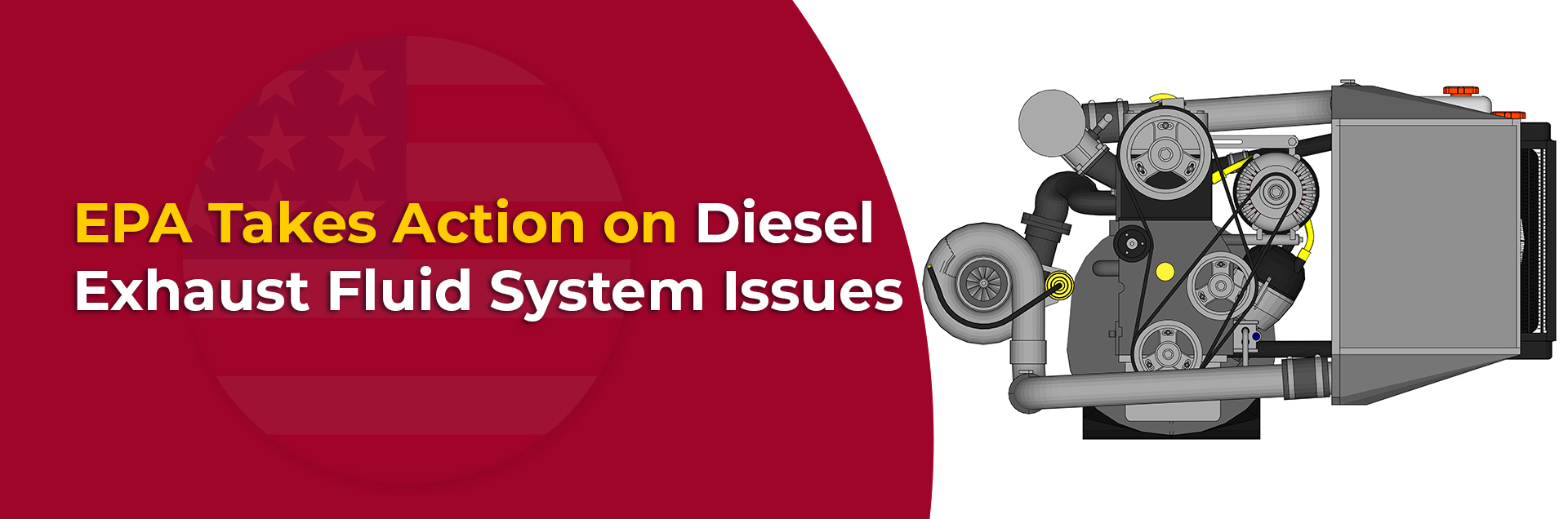
The U.S. Environmental Protection Agency has announced new actions to address ongoing concerns related to diesel exhaust fluid (DEF) system failures in diesel-powered vehicles and equipment. The initiative aims to balance emissions compliance with real-world operational reliability across key industries.
Key Regulatory Developments
The EPA is responding to widespread reports of DEF system malfunctions that have resulted in engine derating, reduced performance, and unexpected shutdowns, particularly affecting trucking and agricultural sectors.
As part of its action, the agency has:
- Requested detailed technical and performance data from major engine and vehicle manufacturers
- Focused on manufacturers representing a significant share of DEF-equipped engines
- Initiated a review of system design, failure modes, and regulatory requirements
This data-driven effort will support potential updates to emissions regulations governing diesel engines.
Regulatory Focus
The EPA’s action centers on improving the effectiveness and reliability of DEF systems, which are used in Selective Catalytic Reduction (SCR) technology to reduce nitrogen oxide (NOx) emissions.
Key areas under evaluation include:
- Reducing unnecessary engine derate triggers caused by system faults
- Improving sensor and software reliability
- Ensuring emissions standards are met without causing operational disruptions
- Assessing whether current requirements create unintended burdens
Technical Background
DEF is a urea-based solution injected into exhaust streams to convert harmful nitrogen oxides into nitrogen and water. While critical for meeting emissions standards, system failures can lead to:
- Automatic engine power limitation (“derate”)
- Vehicle immobilization
- Increased maintenance costs and downtime
These issues have raised concerns about the practical implementation of emissions control technologies.
Who is affected?
- Trucking and logistics operators
- Farmers and agricultural equipment users
- Heavy-duty vehicle and engine manufacturers
- Fleet operators and maintenance providers
The issue has broad implications across industries dependent on diesel-powered equipment.
Compliance & Industry Implications
The EPA’s action signals potential regulatory and operational changes:
- Manufacturers may need to enhance DEF system design and durability
- Possible software updates or recalibration of derate mechanisms
- Increased regulatory scrutiny and reporting obligations
- Potential for future rulemaking or guidance updates
At the same time, the initiative may reduce operational disruptions for end users.
Timeline & Next Steps
- 2026: EPA announces action and initiates data request
- Short-term: Manufacturers expected to submit requested data
- Ongoing: EPA evaluation and potential regulatory updates
Further actions will depend on findings from the data review process.
The EPA’s latest action on DEF systems reflects a growing focus on ensuring that emissions technologies function effectively in real-world conditions. By addressing system reliability issues, the agency aims to maintain environmental protections while reducing operational burdens on critical industries.
Source: EPA DEF System Action
Reach out to our regulation experts on chemical and product regulatory compliances