























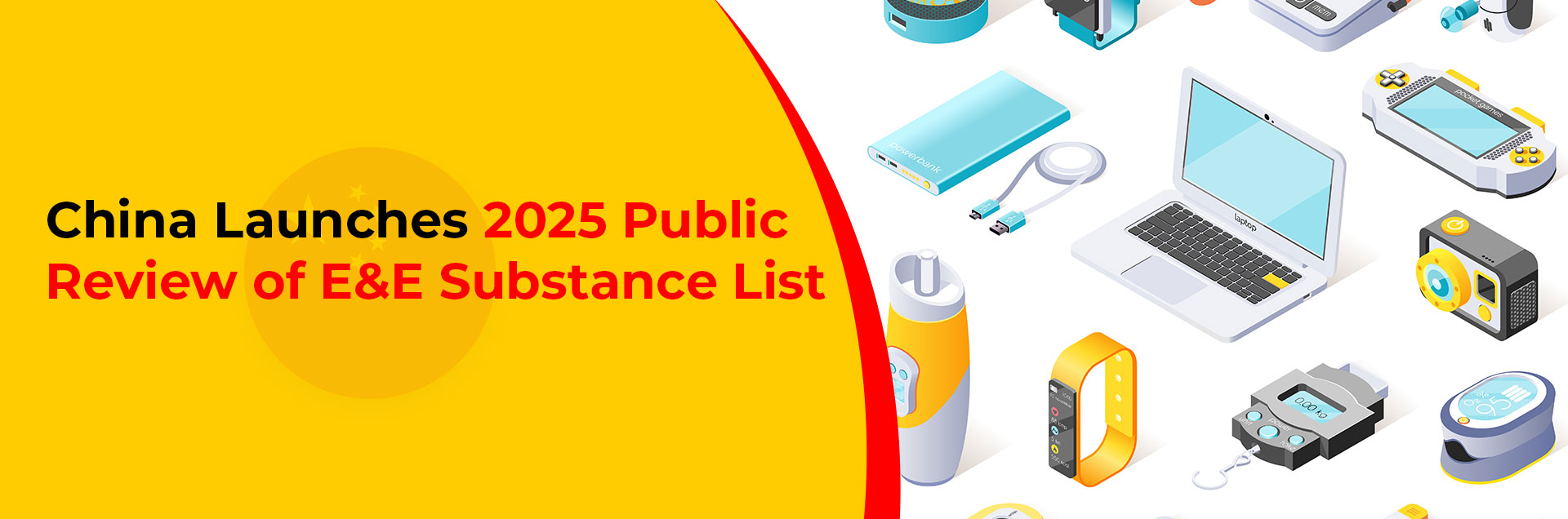
China has officially launched a public consultation on the draft 2025 Catalogue of Restricted Hazardous Substances and the accompanying Exceptions List for electrical and electronic (E&E) products. The move signals upcoming regulatory updates that may impact manufacturers, suppliers, and importers serving the Chinese market. Thus, the comment period runs from 3 November 2025 until 2 December 2025.
Draft 2025 Restricted-Substances Catalogue Released
The draft document, titled “Catalogue of Restricted Hazardous Substances in Electrical and Electronic Products (2025 Edition) (Draft for Comment)”, proposes revisions to China’s hazardous-substance controls for E&E products. The updates target:
• Strengthened management of hazardous chemicals
• Alignment with global standards, including RoHS-type restrictions
• Adjustments to reflect new scientific and technological developments
While the final list is yet to be confirmed, industry stakeholders are urged to evaluate potential effects on material procurement, component design, and regulatory planning.
Proposed Exceptions List Published
China also released the “List of Exceptions to the Application of Restricted Substances (2025 Edition) (Draft for Comment)”. This draft outline:
• Approved applications where restricted substances may be conditionally used
• Specific parts, components, or technologies where substitution is not yet viable
• Requirements for companies seeking exception claims
These exceptions are intended to allow technical flexibility without compromising safety or functionality.
Purpose of the Consultation
The consultation aims to:
• Collect feedback from manufacturers, importers, suppliers, and technical bodies
• Identify challenges before the final 2025 list is issued
• Ensure the catalogue is practical, enforceable, and internationally aligned
This initiative supports China’s broader goals of enhancing chemical safety, environmental protection, and sustainable manufacturing across the electronics sector.
What Manufacturers Should Do Now
Companies operating in or exporting to China should:
• Review both draft documents thoroughly
• Map proposed restricted substances to existing materials and parts
• Conduct feasibility checks for substitution or redesign
• Submit comments within the consultation timeline
• Track future announcements on deadlines and guidance
Potential additions, threshold changes, or expanded scope may affect compliance costs and supply-chain decisions.
Next Steps
Following the public review, authorities will:
• Finalize the 2025 Restricted-Substances Catalogue
• Finalize the Exceptions List
• Announce implementation timelines
• Release compliance guidance for industry
These changes will shape the regulatory landscape for E&E manufacturers entering or operating within the Chinese market.
Reference: China MIIT
Reach out to our regulation experts on chemical and product regulatory compliances