































Date: 21 November 2025
Region: European Union
Category: Chemical Regulatory Compliance
Status: Draft proposal released for public consultation
Overview
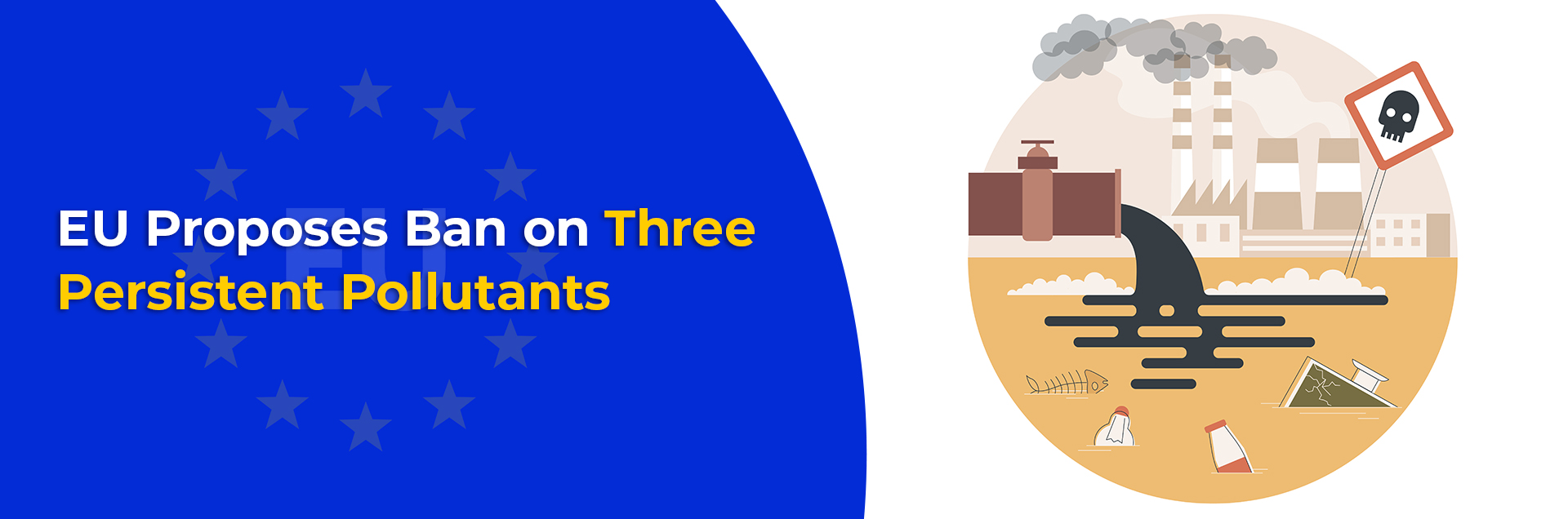
The European Commission has published three draft regulations proposing amendments to Part A of Annex I of the EU Persistent Organic Pollutants (POPs) Regulation (EU) 2019/1021. The proposal aims to prohibit production, placing on the market, and use of three additional substances due to their persistence, bioaccumulation, and toxicity.
The public consultation is open until 19 December 2025, with the final regulation expected to be published in the Official Journal in Q1 2026 and enter into force 20 days after publication.
Substances Proposed for Inclusion
1. Chlorpyrifos
Chlorpyrifos is an organophosphate pesticide previously used in agricultural pest control. It is recognized for its persistence, toxicity, and long-range environmental transport, with scientific evidence linking it to neurodevelopmental effects, endocrine disruption, and ecological harm.
The EU proposal aligns with the Stockholm Convention’s global decision to list chlorpyrifos as a POP. Limited transitional exemptions may apply only to essential, narrowly defined industrial uses where alternatives are not available.
2. Medium-Chain Chlorinated Paraffins (MCCPs)
MCCPs are chlorinated alkanes with carbon chain lengths typically between C14 and C17. They are commonly used in metalworking fluids, flame retardants, plasticizers, and polymer applications.
MCCPs have been identified as persistent and bioaccumulative and are often used as substitutes for short-chain chlorinated paraffins (SCCPs), which are already listed as POPs. The draft regulation introduces a precise chemical definition and proposes strict controls, allowing only limited technical exemptions for unavoidable industrial processes.
3. Long-Chain Perfluorocarboxylic Acids (C9–21 PFCAs)
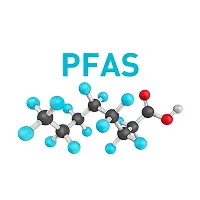
C9–21 PFCAs, including their salts and related compounds, belong to the broader group of PFAS, often referred to as “forever chemicals.” These substances are extremely persistent and resistant to degradation.
They are widely used in industrial coatings, firefighting foams, and consumer products for water- and oil-repellent properties. The proposal also addresses unintentional trace contamination (UTC) by setting threshold limits for substances, mixtures, and articles to minimize unintended exposure.
Regulatory Timeline
- Draft published: 21 November 2025
- Public consultation deadline: 19 December 2025
- Expected Official Journal publication: Q1 2026
- Entry into force: 20 days after publication
- Applicability: Directly applicable in all EU Member States
Industry and Compliance Implications
Chemical Producers & Importers
- Review product portfolios for affected substances
- Prepare for potential bans or limited transition periods
- Identify compliant alternatives and reformulation options
Downstream Manufacturers
- Assess supply chains for MCCPs, chlorpyrifos, and C9–21 PFCAs
- Strengthen supplier due diligence and testing programs
- Plan material substitutions where necessary
Regulatory & Compliance Teams
- Consider submitting comments during the consultation phase
- Monitor final regulatory text and enforcement dates
- Update compliance documentation, SDSs, and internal controls
Downstream Manufacturers
- Assess supply chains for MCCPs, chlorpyrifos, and C9–21 PFCAs
- Strengthen supplier due diligence and testing programs
- Plan material substitutions where necessary
Takeaways
- The proposal reinforces the EU’s commitment to the Stockholm Convention on POPs
- It signals continued regulatory pressure on persistent and bioaccumulative chemicals, including PFAS
- Businesses placing products on the EU market should begin early impact assessments and transition planning
Reach out to our regulation experts on product regulatory compliances