





















Japan Strengthens Chemical Safety Regulations Under Revised CSCL
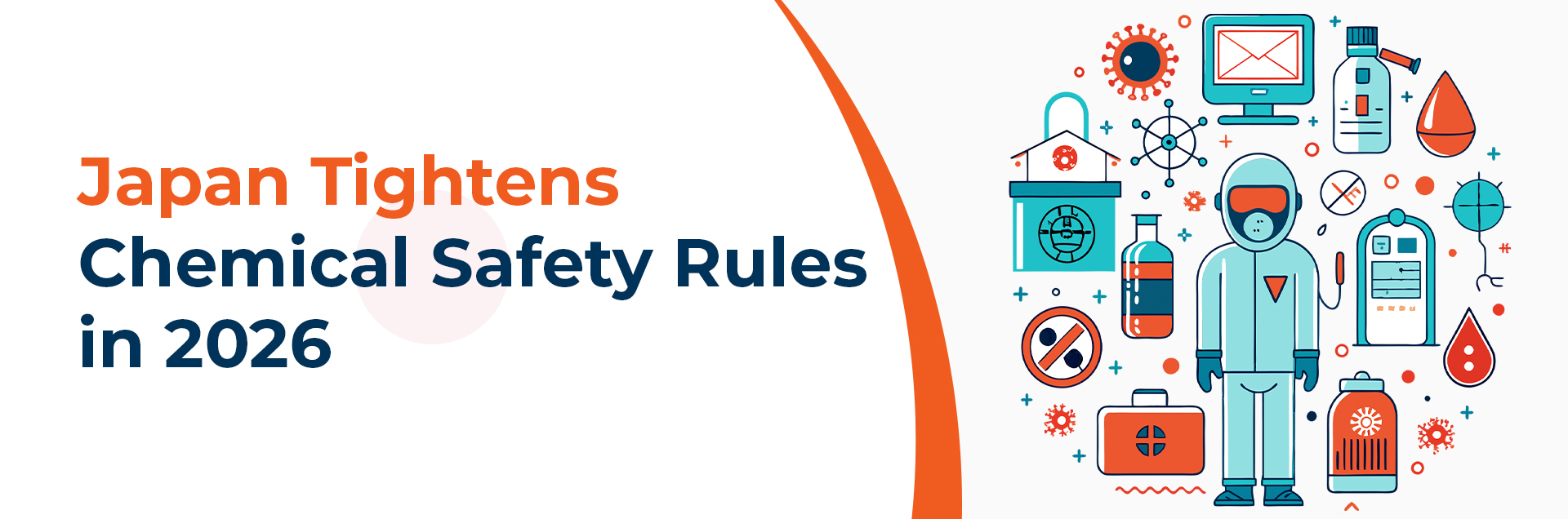
Japan’s Ministry of Economy, Trade and Industry (METI) has announced major updates to the country’s chemical safety regulations, introducing stricter controls on several hazardous substances under the Chemical Substances Control Law (CSCL). The Cabinet approved the revised ordinance on May 19, 2026, reinforcing Japan’s commitment to environmental protection and international chemical management standards.
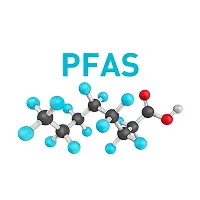
The amendments target persistent and high-risk substances including long-chain PFAS compounds (LC-PFCA), chlorpyrifos, and medium-chain chlorinated paraffins (MCCPs), all of which have raised global concerns due to their environmental persistence and potential health impacts.
Key Chemicals Added to the Restricted List
Under the revised regulation, the Japanese government designated several substances as “Class I Specified Chemical Substances.” This classification imposes strict restrictions on the manufacture, import, and use of these chemicals within Japan.
The newly regulated substances include:
🧪 Long-chain perfluorocarboxylic acid (LC-PFCA), its salts and LC-PFCA-related substances
☣️ Chlorpyrifos, an organophosphate pesticide
⚠️ Medium-chain chlorinated paraffins (MCCPs)
These chemicals are widely recognized internationally for their persistence in the environment and potential risks to human health and ecosystems.
Alignment With International Environmental Agreements
Japan’s latest regulatory action aligns with decisions adopted under the Stockholm Convention on Persistent Organic Pollutants (POPs). The convention aims to eliminate or restrict hazardous chemicals that remain in the environment for long periods and accumulate in living organisms.
By updating its domestic legislation, Japan continues to harmonize national chemical management policies with global environmental standards and international compliance requirements.
Import Restricted Products Under the Revised Regulation
Under the revised regulation, Japan has designated specific products that cannot be imported if they contain substances classified as “Class I Specified Chemical Substances.”
Long-chain PFCA (LC-PFCA) & Long-chain PFCA-related Substances
- Lubricating oil
- Fabrics treated to impart water-repellent or oil-repellent properties
- Paint
- Water-repellent agents and oil-repellent agents
- Adhesives and filling materials for sealing
- Fire extinguishers, fire-extinguishing agents for extinguishers, and foam extinguishing agents
- Clothing treated to impart water-repellent or oil-repellent properties
- Floor coverings treated to impart water-repellent or oil-repellent properties
- Wax
- Professional photographic film
Chlorpyrifos
- Insecticides for wood
MCCP (Medium-chain Chlorinated Paraffins)
- Lubricating oils, cutting oils, and operating oils
- Prepared additives to impart flame-retardant properties to fabrics, resins, or rubber
- Plasticizers for resins
- Paint
- Water-repellent agents and fiber protectants
- Adhesives and filling materials for sealing
These import restrictions are part of Japan’s broader effort to reduce environmental and human health risks associated with persistent organic pollutants and hazardous chemical substances.
Stricter Standards for Firefighting Equipment
The revised regulation also introduces tighter technical standards for firefighting equipment and extinguishing agents containing PFAS-related substances.
PFAS chemicals have historically been used in firefighting foams because of their heat-resistant and water-repellent properties. However, growing evidence of environmental contamination and long-term persistence has prompted regulators worldwide to phase out or restrict their use.
Japan’s updated standards are expected to encourage the transition toward safer and environmentally sustainable alternatives.
Impact on Manufacturers and Global Supply Chains
The new rules are likely to affect manufacturers, importers, and exporters operating in chemical-intensive industries. Companies supplying products to the Japanese market may need to reassess raw materials, product formulations, and compliance documentation.
Industries expected to see the greatest impact include:
🏭 Chemical manufacturing
💻 Electronics
🛢️ Industrial lubricants
🌾 Agriculture and pesticides
🚨 Fire safety equipment
Businesses involved in international trade will also need to monitor supply chain compliance to avoid regulatory risks and import restrictions.
Implementation Timeline
📅 The revised ordinance is scheduled to come into effect on November 22, 2026, following official publication by the Japanese government.
Industry experts believe the regulation represents another significant step in the global movement toward tighter chemical safety standards and sustainable industrial practices. As governments worldwide continue to strengthen restrictions on persistent pollutants, companies are increasingly being pushed to adopt safer chemical alternatives and improve environmental compliance strategies.
Reach out to our regulation experts on chemical and product regulatory compliances