

































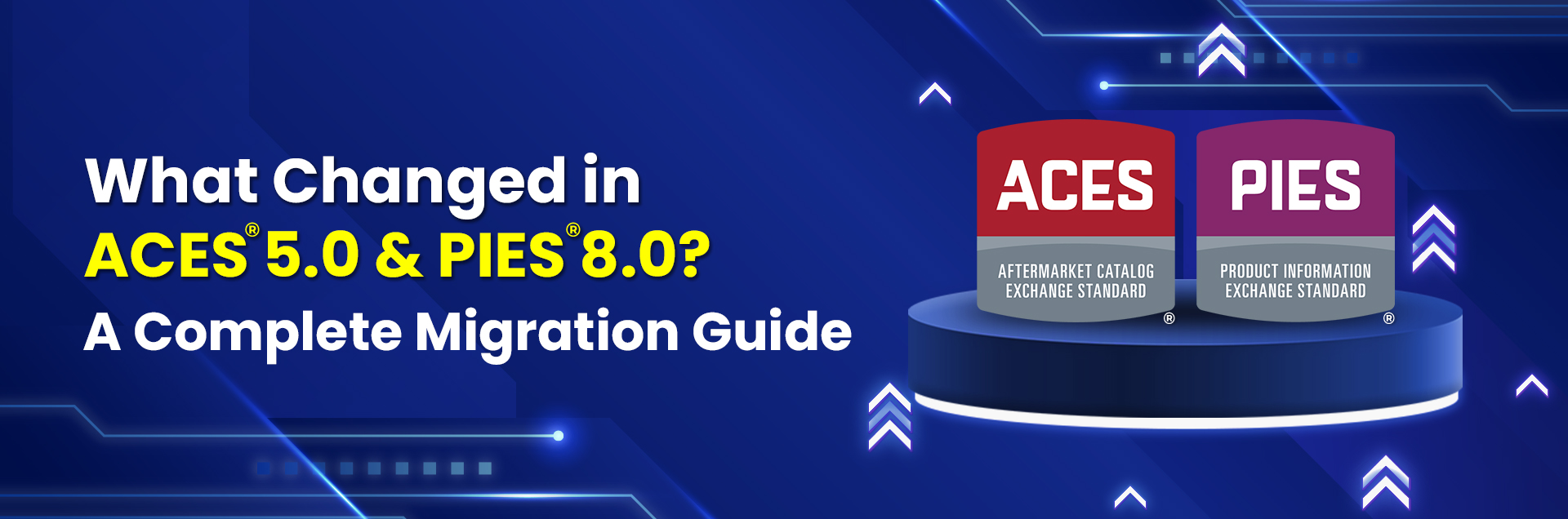
The automotive aftermarket industry runs on data precision. Every year, millions of part numbers, vehicle fitments, and product attributes flow between suppliers, distributors, and retailers — all governed by two foundational standards: ACES ® (Aftermarket Catalog Exchange Standard) for application data, and PIES ® (Product Information Exchange Standard) for product data.
AutoCare Association has released ACES® 5.0 (upgrading from 4.2) and PIES® 8.0 (upgrading from 7.2) — and these are not minor version bumps. Both releases include breaking changes that will cause validation failures if your existing XML files are not updated. If your catalog data, internal systems, or trading partner feeds reference older field names or structures, they will fail to validate against the new schemas.
This guide breaks down exactly what changed, shows you the before-and-after in plain terms, and explains how APA Engineering experts help automotive businesses migrate cleanly, quickly, and without costly data errors.
ACES® 5.0 Key Changes
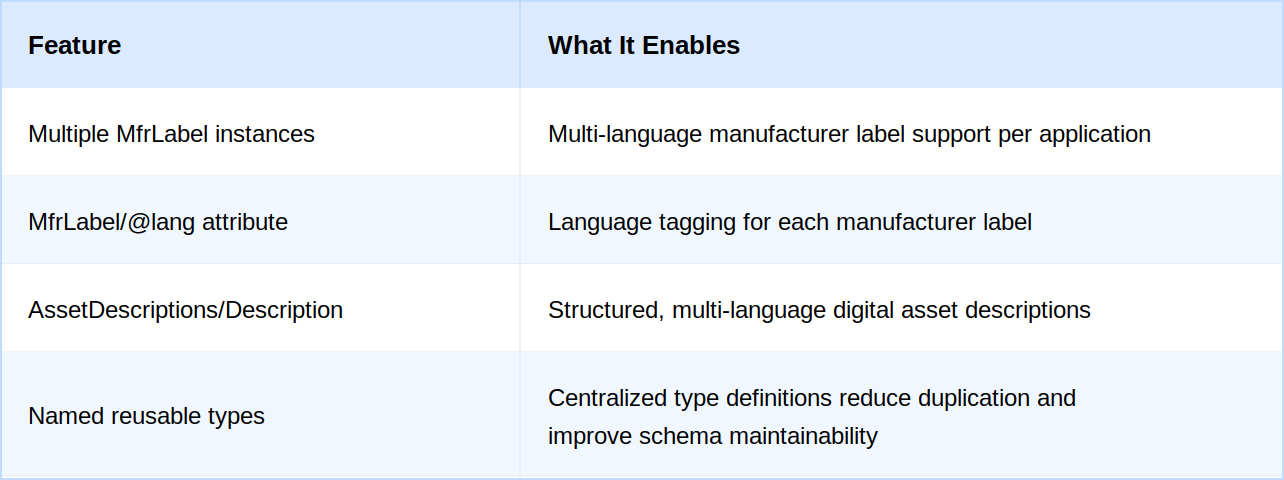
New Capabilities
Breaking Renames
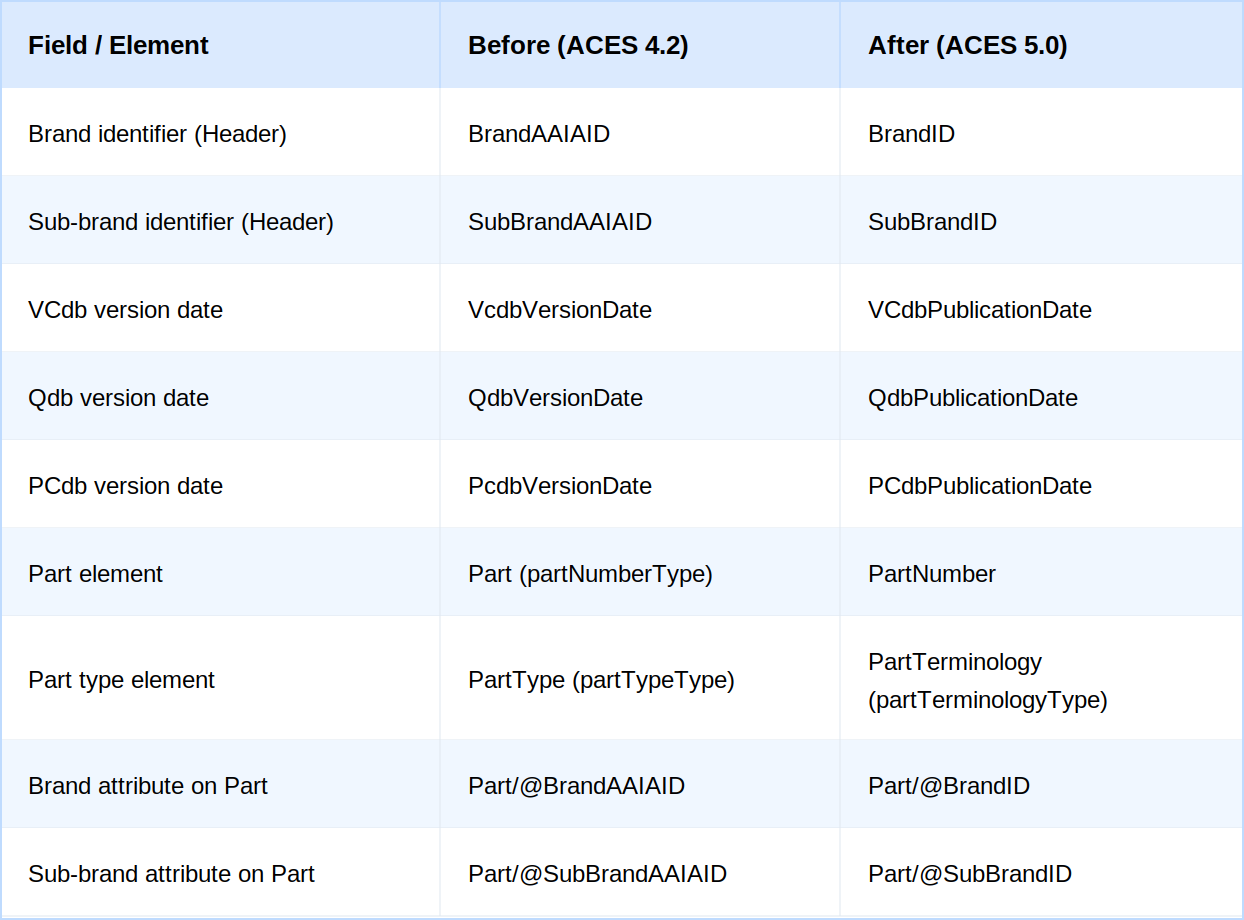
Every rename below is a breaking change — field names must be updated in all XML files and any code that reads or writes them.
Removed Fields
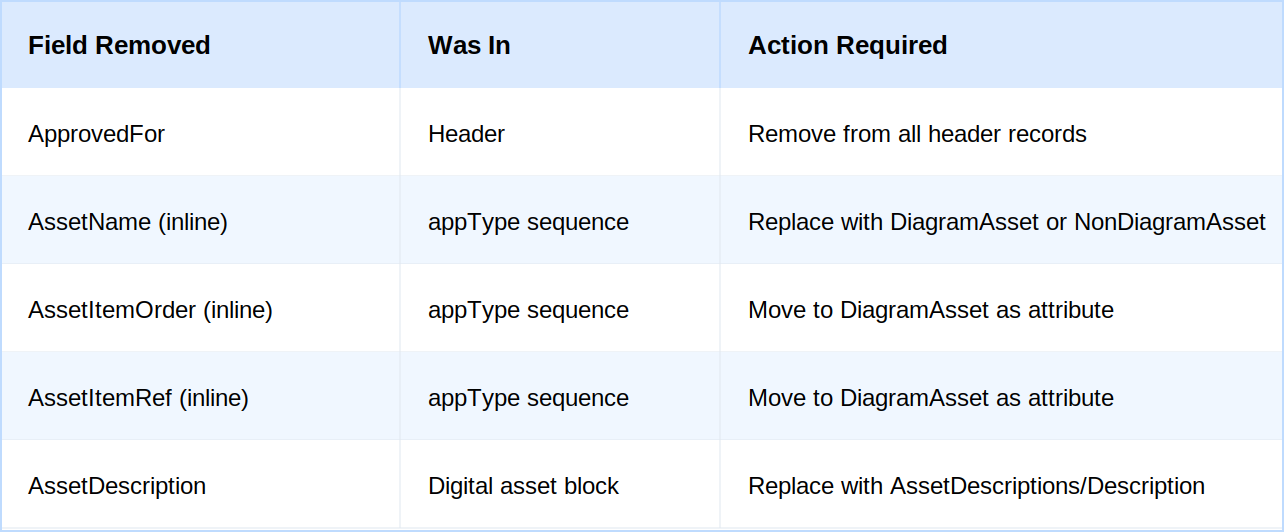
Sending any of these in an ACES® 5.0 file will cause a validation failure.
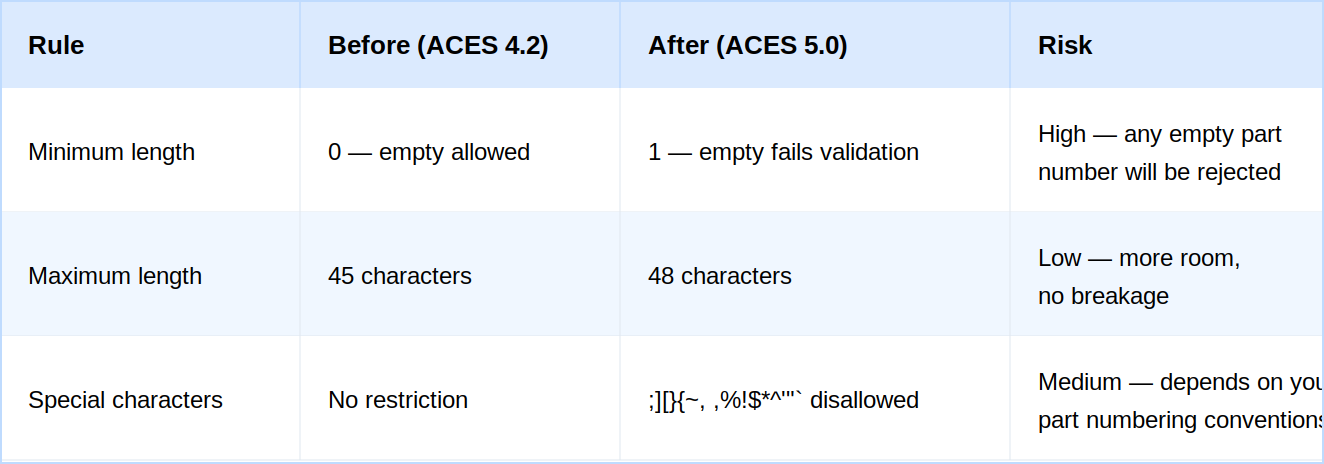
Part Number Validation Rules — Before vs. After
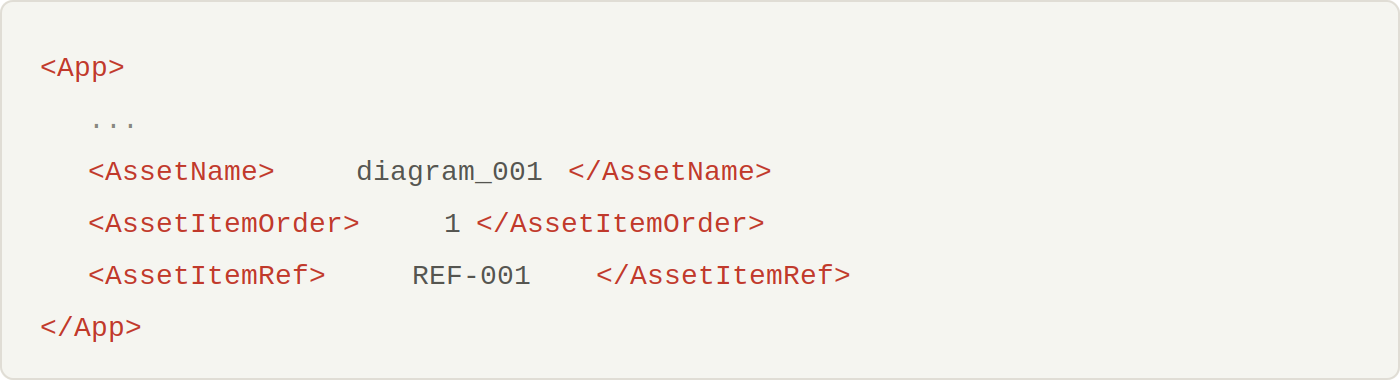
Asset Linking Structure — Before vs. After
Before (ACES® 4.2): Asset references were flat inline child elements inside each App:
After (ACES® 5.0): Assets are separated into typed wrapper elements:
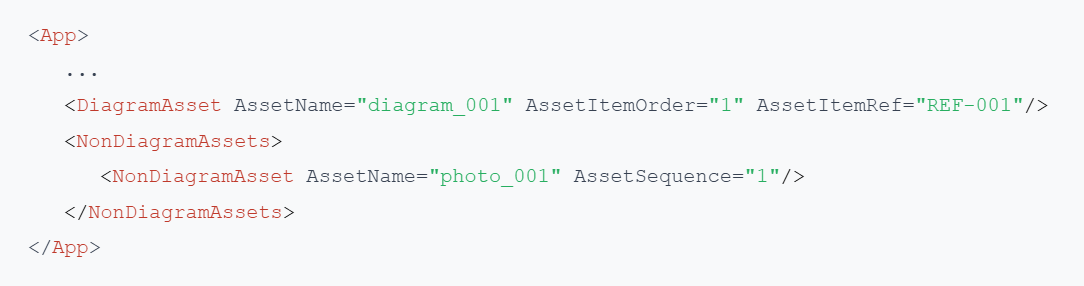
Why it matters: The new structure distinguishes diagram assets from non-diagram assets, supports multiple non-diagram references per app, and uses explicit sequencing instead of positional inference.
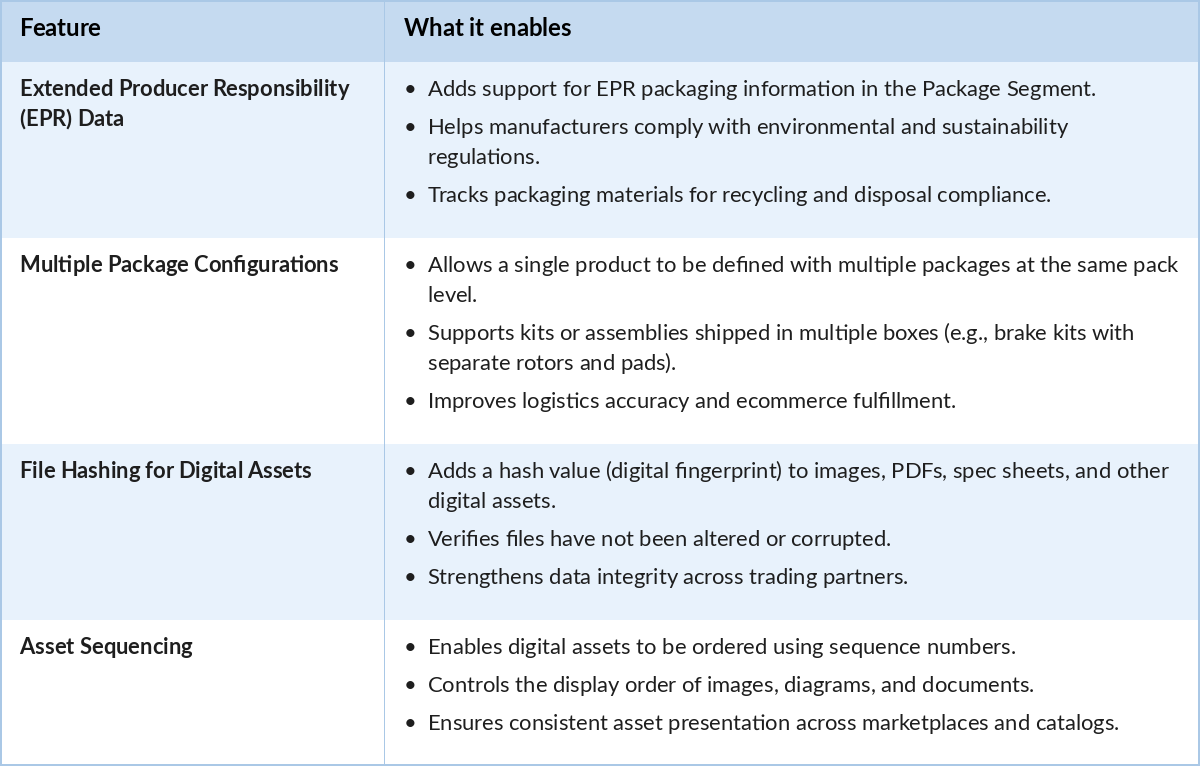
PIES® 8.0 — Key Changes Before and After
New Capabilities
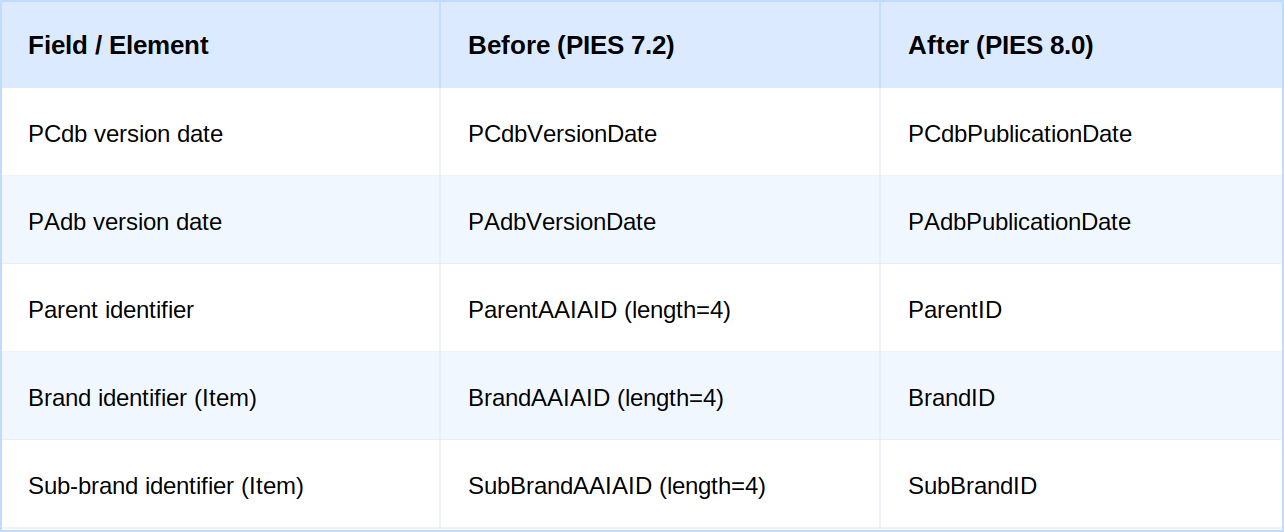
Breaking Renames
Every rename below is a breaking change — field names must be updated in all XML files and any code that reads or writes them.
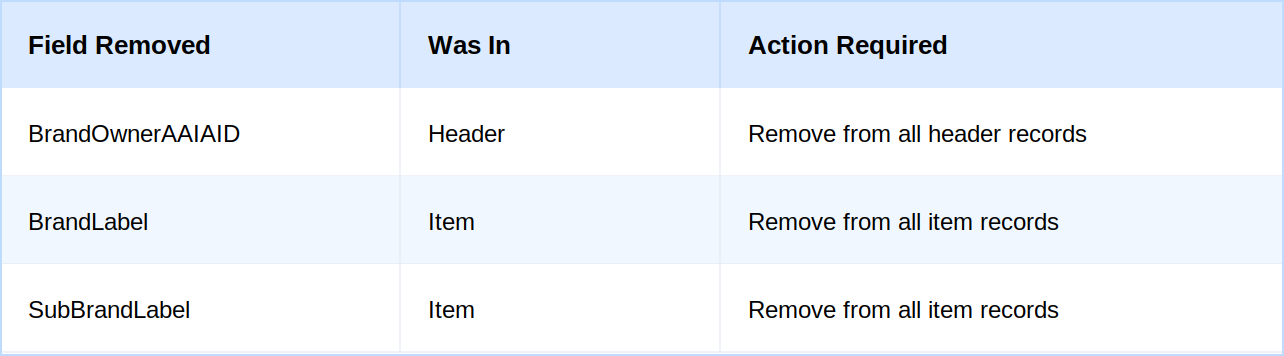
Removed Fields
Sending any of these in a PIES® 8.0 file will cause a validation failure.
ACESApplications — Now a Required Field
This is the single highest-risk change in PIES® 8.0 for large item catalogs.

Any item record missing ACES® Applications will fail 8.0 schema validation. For catalogs with thousands or millions of items, this requires a full audit before migration.
New Optional Fields — Before vs. After
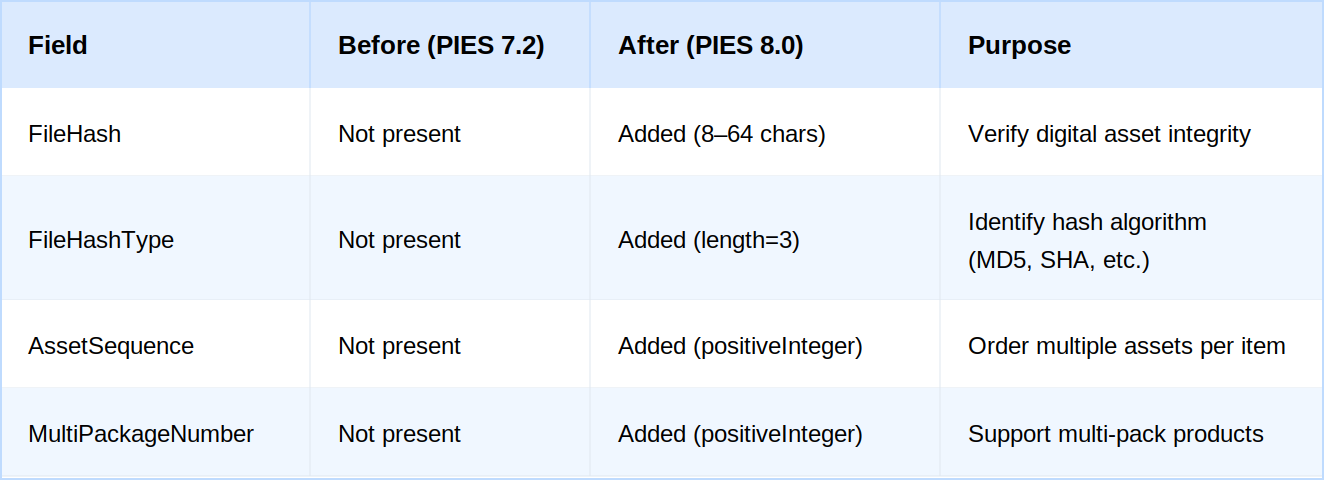
These are additive — they will not break existing valid files, but receiving systems may need updating to consume them.
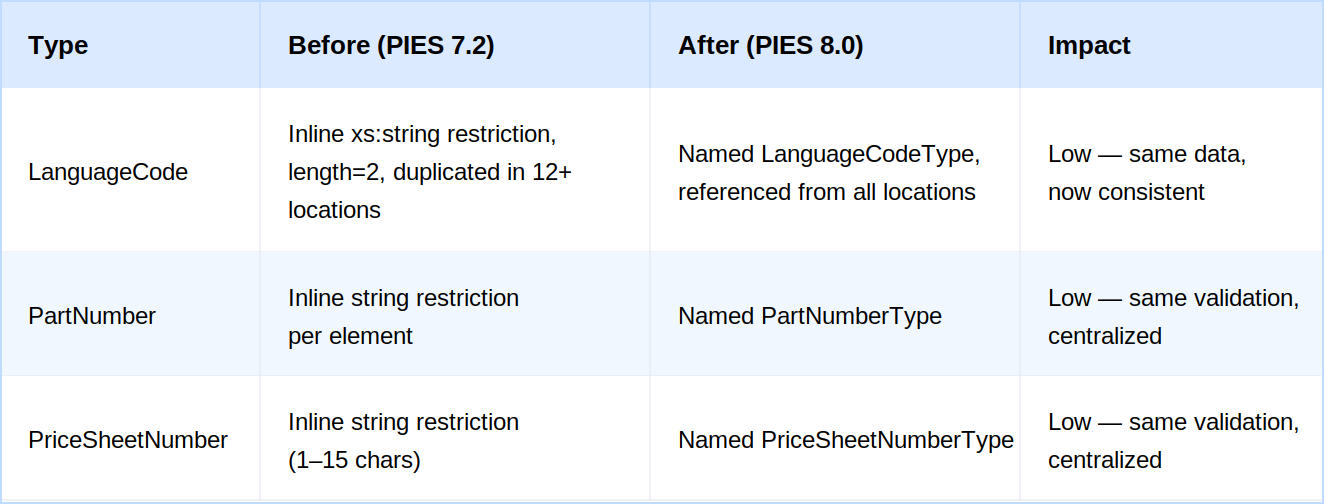
Type Centralization — Before vs. After
How APA Engineering Experts Help
Migrating from ACES® 4.2 to 5.0 and PIES® 7.2 to 8.0 is not a simple find-and-replace. The changes span XML schema structure, validation rules, field cardinality, type definitions, and asset architecture. Without the right expertise, migration efforts can introduce silent data errors that only surface downstream — in retailer feeds, catalog portals, or trading partner rejections.
APA Engineering brings deep, hands-on expertise in AutoCare data standards, having supported suppliers, distributors, and catalog providers through multiple generations of ACES® and PIES® migrations. Here's how APA experts make the difference:
1. Schema Gap Analysis
Before any file is touched, APA's team performs a complete gap analysis between your current data output and the new schema requirements. This maps every breaking rename, every removed field, and every validation rule change to your specific data set — giving you a clear, prioritized migration roadmap rather than a generic checklist.
2. Automated Field Remapping
APA engineers build automated transformation pipelines that handle the high-volume, repetitive work of renaming fields across millions of records. BrandAAIAID → BrandID, PartType → PartTerminology, PCdbVersionDate → PCdbPublicationDate — these renames touch every single record in your catalog. Doing this manually is error-prone and time-consuming. APA's tooling executes these transformations reliably at scale.
3. Part Number Remediation
The new ACES® 5.0 part number validation rules — minimum length of 1, maximum of 48, and restricted character set — require a data audit before migration. APA runs automated scans to identify all part numbers that are empty, over the character limit, or contain disallowed characters, then works with your team to resolve them correctly within your business context.
4. ACES® Applications Compliance for PIES
The change making ACES® Applications a required field in PIES® 8.0 is the highest-risk single change for large item catalogs. APA audits your PIES® item data set to identify every record missing this field, ensures the correct value is populated based on your catalog's fitment data, and validates the remediated records against the 8.0 schema before any trading partner submission.
5. Asset Architecture Migration
Migrating from the old inline asset elements (AssetName, AssetItemOrder, AssetItemRef) to the new DiagramAsset and NonDiagramAssets structure in ACES® 5.0 requires both schema knowledge and an understanding of your existing asset library. APA maps your current asset references into the new structured format, preserving sequencing and reference integrity throughout.
6. Schema Validation and Regression Testing
Once transformations are complete, APA runs full schema validation against ACES® 5.0 and PIES® 8.0 XSDs, produces validation reports, and performs regression testing to confirm that previously passing records still pass and that no new errors have been introduced. This step is often skipped in self-managed migrations — and is where post-migration issues originate.
7. Trading Partner Readiness Review
Many trading partners — national retailers, buying groups, and distributors — are updating their ingest pipelines on their own timelines. APA helps you understand which partners are already validating against 5.0/8.0, which still accept 4.2/7.2, and how to manage dual-format output during the transition window.
8. Ongoing Catalog Maintenance
ACES® and PIES® standards will continue to evolve. APA Engineering doesn't just get you through this migration — we help you build a catalog data operation that is structured to absorb future changes with minimal disruption, through clean type-centric architecture, automated validation in your publish pipeline, and documented mapping layers.
Conclusion: Don't Wait on This Migration
ACES® 5.0 and PIES® 8.0 contain breaking changes that will cause real failures — validation errors, trading partner rejections, and catalog gaps — for any organization that delays migration. The scope of these changes (renaming core fields, removing widely-used elements, tightening validation rules, and restructuring asset linking) means that a careful, systematic approach is essential.
APA Engineering has the AutoCare standards expertise, the tooling, and the automotive data domain knowledge to get your catalog migrated correctly, on schedule, and without downstream surprises.
Ready to start your ACES® 5.0 / PIES® 8.0 migration assessment?