






























US Expands Chemical Transparency Mandate on PFAS
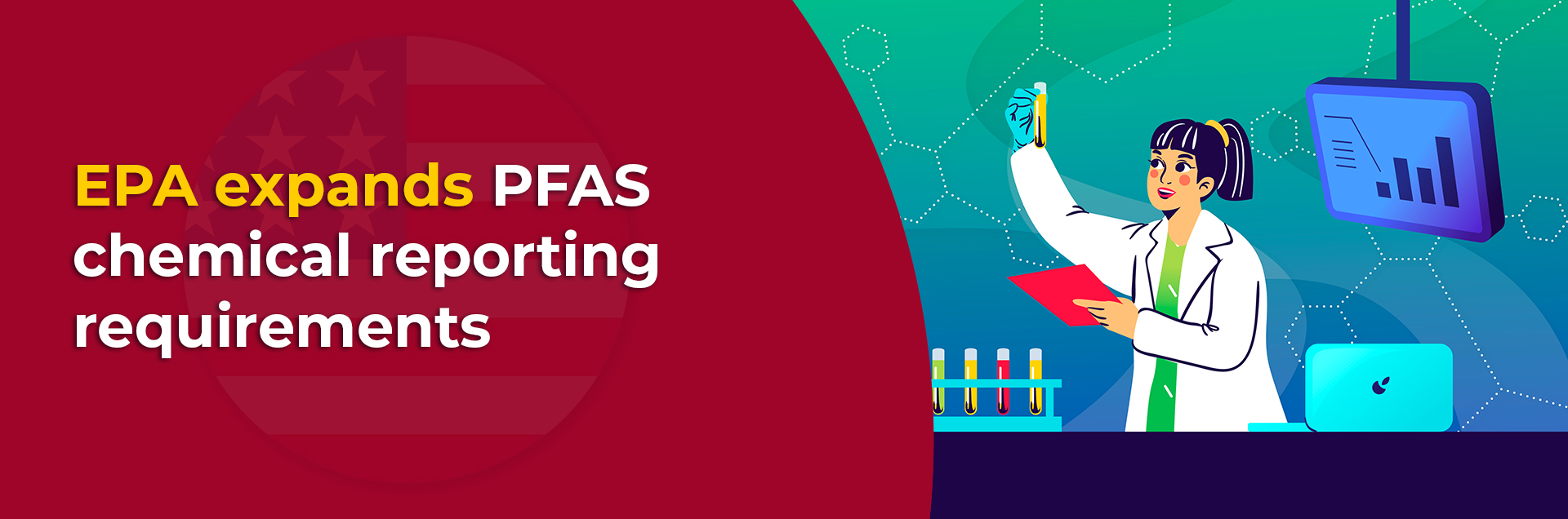
The US Environmental Protection Agency has significantly expanded reporting obligations for PFAS chemicals under TSCA Section 8(a)(7), marking one of the most comprehensive chemical data collection initiatives in recent years.
Regulatory Shift Toward Full Lifecycle Transparency
The rule requires companies to report detailed historical and current data on PFAS, including:
- Manufacturing volumes
- Processing pathways
- Industrial and consumer uses
- Disposal and environmental release pathways
The retrospective nature of the rule (dating back over a decade in many cases) increases compliance complexity significantly.
Why PFAS Are Central to Global Regulation
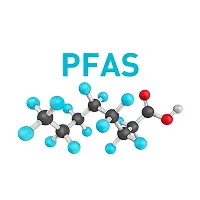
PFAS compounds are highly persistent in the environment and have been linked to bioaccumulation concerns. Their widespread use across industrial and consumer applications has made them a global regulatory priority.
Industry Compliance Pressure
Companies face major operational challenges including:
- Supply chain mapping
- Legacy data reconstruction
- Cross-jurisdiction reporting alignment
- What is TSCA PFAS reporting?
- Mandatory EPA reporting of PFAS manufacturing and use data.
- Why is it significant?
- It creates the first full-scale PFAS inventory in the US.
The rule effectively forces companies to build PFAS traceability systems where none previously existed.
The data collected will likely serve as the foundation for future restrictions, including potential use bans or phased eliminations.
FAQs
Reach out to our regulation experts on chemical and product regulatory compliances