






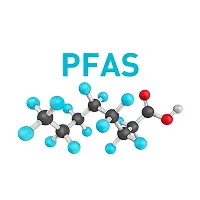

















The European Chemicals Agency has announced that its Committee for Socio-Economic Analysis (SEAC) has agreed its draft opinion on the proposed EU-wide restriction of per- and polyfluoroalkyl substances (PFAS). This marks a critical milestone in the EU’s ongoing effort to regulate “forever chemicals” under the REACH framework.
Key Regulatory Developments
The SEAC draft opinion evaluates the socio-economic impacts of restricting PFAS across the EU, including costs, benefits, and the availability of safer alternatives.
The underlying restriction proposal, originally submitted by authorities from Denmark, Germany, the Netherlands, Norway, and Sweden, covers all PFAS substances and all uses, making it one of the most comprehensive chemical restriction proposals globally.
The draft opinion is based on:
- Extensive socio-economic impact assessment
- Evaluation of alternatives and substitution feasibility
- Analysis of industry-wide implications across sectors
Regulatory Framework
The PFAS restriction is being assessed under the EU’s REACH Regulation through two key scientific committees:
- Risk Assessment Committee (RAC): Evaluates risks to human health and the environment
- Socio-Economic Analysis Committee (SEAC): Assesses economic and societal impacts
- Notably, RAC adopted its final opinion in early March 2026, completing the hazard and risk evaluation phase.
- SEAC’s draft opinion complements this by focusing on feasibility and economic consequences.
Scope & Threshold
- The proposal applies to all PFAS (over 10,000 substances)
- Covers manufacture, placing on the market, and use
- No tonnage or concentration threshold — restriction is hazard-based
- Applies across all sectors and applications, unless specific derogations are granted
- This represents a universal restriction approach, rather than substance-by-substance regulation.
Who is Affected?
The proposed restriction will impact:
- Chemical manufacturers and importers
- Downstream industries (automotive, electronics, textiles, semiconductors, coatings, etc.)
- Consumer product manufacturers using PFAS
- Supply chain stakeholders across the EU
- Given the broad scope, the impact is expected to be cross-sectoral and global.
Compliance & Market Implications
If adopted, the restriction could:
- Prohibit or severely limit PFAS use across industries
- Require substitution with safer alternatives
- Trigger significant product reformulation and redesign
- Increase compliance costs and supply chain restructuring
The proposal aims to reduce long-term environmental and health costs associated with PFAS pollution, which are considered highly persistent and bioaccumulative.
Timeline & Consultation
- March 2026: SEAC agrees draft opinion
- Next Step: Publication of draft opinion for 60-day public consultation
- By End of 2026: Final opinions from RAC and SEAC expected
- Post-2026: European Commission to prepare final legislative proposal
Stakeholders will have a limited window to provide input on socio-economic aspects during the consultation phase.
The agreement of SEAC’s draft opinion represents a major step toward a potential EU-wide PFAS restriction under REACH. With no thresholds and a universal scope, the proposal signals a significant tightening of chemical regulation in the EU. Companies must proactively assess PFAS usage, evaluate alternatives, and prepare for substantial regulatory changes in the coming years.
Source: Japan CSCL POPs Update
Reach out to our regulation experts on chemical and product regulatory compliances