


























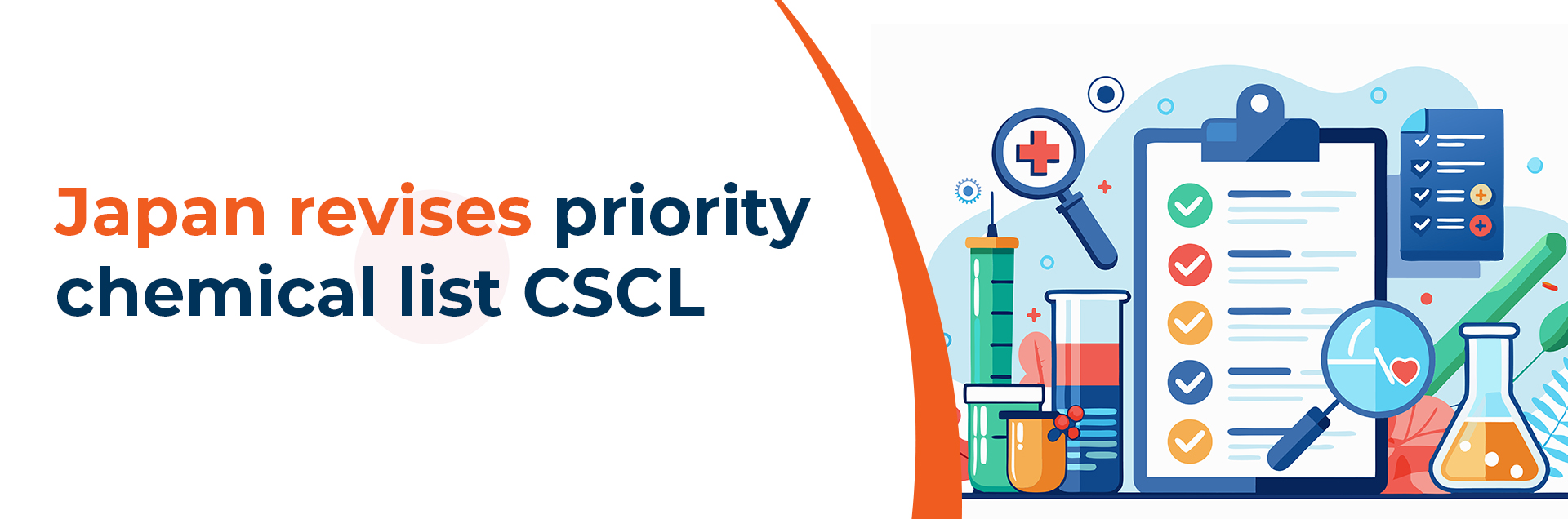
Japan Strengthens Risk-Based Chemical Prioritization
Japan has updated its Priority Assessment Chemical Substances List under the Chemical Substances Control Law (CSCL), reflecting evolving scientific understanding of chemical hazards and exposure risks.
The revision is part of Japan’s risk-based regulatory model, which prioritizes substances for monitoring based on toxicity, persistence, and bioaccumulation potential.
Scientific Basis of the Update
The CSCL framework evaluates chemicals using a PBT approach:
- Persistence in the environment
- Bioaccumulation in organisms
- Toxicity to humans and ecosystems
Substances meeting these criteria are prioritized for regulatory scrutiny and potential restriction.
Regulatory Implications
The updated list affects:
- Manufacturers and importers of industrial chemicals
- Downstream users in manufacturing sectors
- Research and compliance reporting obligations
Companies may face increased data submission requirements and risk assessments.
Strategic Direction
Japan continues aligning its chemical governance model with OECD harmonization principles while maintaining a distinct national risk classification system.
FAQs
- What is CSCL?
- Japan’s Chemical Substances Control Law regulating industrial chemicals.
- Why was the list updated?
- To reflect updated scientific risk assessments.
Reach out to our regulation experts on chemical and product regulatory compliances